

Patient education
Gum Health
What is Periodontal (Gum) Disease?
Periodontal disease is a common inflammatory condition of the gums that, in its most advanced stages, affects the jawbone itself.Periodontal Disease
Periodontal disease attacks the gums and bone that support the teeth, and shows as red, swollen and bleeding gums.About Periodontal Disease
Periodontal disease attacks the gums and bone that support the teeth, and it is usually painless in its early stages.Causes of Periodontal Disease
Periodontal disease, which is also known as gum disease and periodontitis, is a progressive disease which, if left untreated, may result in tooth loss.Signs & Symptoms of Gum Disease
Gum disease is the leading cause of adult tooth loss. Learn the signs, from bleeding gums to loose teeth, so it is caught early.Types of Periodontal Disease
From gingivitis to advanced periodontitis: the types of gum disease, how they progress, and how each one is treated.Periodontal Disease Diagnoses
Periodontal disease is diagnosed by your dentist or dental hygienist during a periodontal examination.Diagnosis
Periodontal disease is diagnosed during a periodontal exam, which should always be part of your regular dental check-up.Treatment
Periodontal treatment depends on the type and severity of the disease. Your dentist and hygienist will recommend the right treatment.Periodontal Treatment
Periodontal treatment methods depend upon the type and severity of the disease.Periodontal Maintenance
It only takes twenty four hours for plaque that is not removed from your teeth to turn into calculus (tartar)!What is a Periodontist?
A periodontist is a dentist who specializes in the soft tissues of the mouth and the underlying jawbone which supports the teeth.When to See a Periodontist
A periodontist specializes in preventing, diagnosing and treating gum and jawbone disease. Here's when a referral makes sense.The Mouth–Body Connection
Gum disease is linked with diabetes, heart disease, pregnancy complications and respiratory disease. Healthy gums lower the risk.Gum Disease, Heart Disease and Stroke
People with gum disease are nearly twice as likely to have coronary heart disease, and oral infection is a risk factor for stroke.Periodontal Disease and Diabetes
It is well documented that people who suffer from diabetes are more susceptible to developing infections than non-diabetes sufferers.Periodontal Disease and Osteoporosis
Periodontal disease is characterized by a progressive loss of supportive gingival tissue in the gums and jawbone.Gum Disease and Respiratory Disease
Periodontal disease (also called periodontitis and gum disease) has been linked to respiratory disease through recent research studies.Periodontal Disease and Pregnancy
Periodontal disease in expectant mothers carries risks for the unborn child, particularly if the mother also has diabetes.Perinatal and Infant Oral Health
Good oral health during pregnancy matters for your baby too. Gum disease is linked with premature birth, low birth weight and preeclampsia.Bruxism
Bruxism refers to an oral parafunctional activity that occurs in most humans at some point in their lives.
Children's Dentistry
Pediatric Dentistry
Our emphasis is on total preventive care of your entire family.Child's First Visit
A child's first dental visit is recommended around their first birthday. Here's how to prepare and keep it positive.Why See a Pediatric Dentist?
Pediatric dentists (or pedodontists) are qualified to meet the dental needs of infants, toddlers, school-age children, and adolescents.Why Are Primary Teeth Important?
Primary teeth, also known as “baby teeth” or “deciduous teeth,” begin to develop beneath the gums during the second trimester of pregnancy.Care for Your Child's Teeth
Pediatric oral care has two main components: preventative care at the dentist’s office and preventative care at home.How Often Should Children Have Dental Checkups?
Twice-yearly dental visits for children, starting about six months after the first tooth appears, and what each checkup covers.Pacifiers and Thumb Sucking
For most infants, the sucking of thumbs and pacifiers is a happy, everyday part of life.Sealants
A sealant is a thin, plastic coating applied to the chewing surface of molars, premolars and any deep grooves (called pits and fissures) of teeth.Sealing Out Tooth Decay
Tooth decay has become increasingly prevalent in preschoolers.
Prevention & Home Care
Cleanings & Prevention
Prevention is a team effort between you, your dentist and our staff to stop dental disease before it starts, progresses or returns.Prophylaxis (Teeth Cleaning)
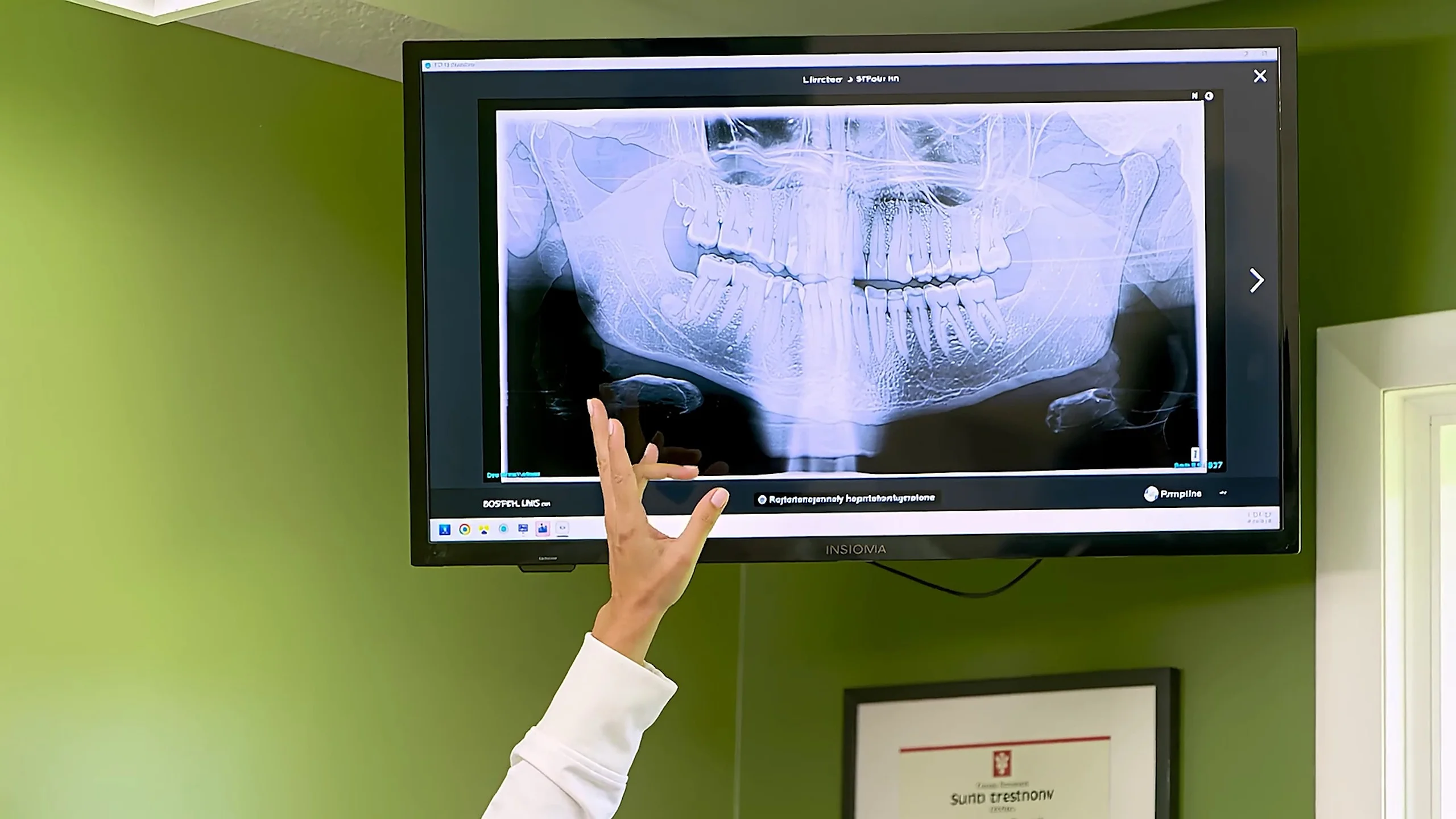
A dental prophylaxis is a cleaning procedure performed to thoroughly clean the teeth.Dental X-Rays
Dental radiographs (X-rays) are essential, preventative, diagnostic tools that provide valuable information not visible during a regular dental exam.How to Properly Brush and Floss
Brushing and flossing are of paramount importance to oral hygiene.How to Prevent Cavities
Childhood cavities, also known as childhood tooth decay and childhood caries, are common in children all over the world.Oral Hygiene Aids
Regular dental check ups are essential for maintaining excellent oral hygiene and diagnosing potential problems, but they are not a “fix-all” solution.Fluoride
Fluorine, a natural element in the fluoride compound, has proven to be effective in minimizing childhood cavities and tooth decay.Fluoride Treatment
Fluoride is the most effective agent available to help prevent tooth decay.Xylitol – Reducing Cavities
Tooth decay is a common, yet preventable childhood problem.Tobacco Use
Tobacco use is one of the leading causes of death in society.Dental Health
Fillings are done to remove decay, and replace the affected tooth structure.
Crowns, Bridges & Restorations
Procedures
From a complete exam and cleaning to a full-mouth restoration: the procedures we regularly provide, all in one place.Porcelain Crowns (Caps)
A crown (or cap) is a covering that encases the entire tooth surface restoring it to its original shape and size.Porcelain Fixed Bridges
A dental bridge is a fixed, non-removable way to replace missing teeth. Learn the types of bridges and how one is made.Fixed Bridges
A dental bridge is a fixed (non-removable) appliance and is an excellent way to replace missing teeth.Inlay Restorations
An inlay is a custom-made filling of composite, gold or tooth-colored porcelain, made by a dental lab and cemented into the tooth.Onlay Restorations
An onlay restoration is a custom made filling made of composite material, gold, or tooth-colored porcelain.Porcelain Inlays
An inlay restoration is a custom made filling made of composite material, gold, or tooth-colored porcelain.Cracked Tooth
Cracked and fractured teeth are common dental problems.Prosthodontics
Prosthodontics is the specialized field of dentistry concerned with diagnosing, planning and executing restorative and cosmetic treatments.
Oral Surgery & Emergencies
Dental Emergencies
Dental emergencies are quite frightening and often painful.Oral & Maxillofacial Surgery
Oral and maxillofacial surgeons diagnose and treat conditions and injuries of the head and neck. Here's what they do and when you might need one.After Tooth Extractions
There are a number of reasons that your dentist might recommend a tooth extraction.Antibiotic Treatment
Periodontal disease is a progressive condition that leads to severe inflammation and tooth loss if left untreated.Surgical Instructions
Pre- and post-operative instructions to help you prepare for dental surgery and recover safely and comfortably.Oral Pathology
An oral exam is routinely performed by the dentist during the course of an initial comprehensive exam and regular check-ups.

New patients welcome
Emergency calls and appointments are available and welcome, especially for new patients seeking help.