


Sealing Out Tooth Decay
Patient educationSealing Out Tooth Decay
Tooth decay is increasingly common in preschoolers, and beyond being painful it can lead to premature tooth loss and childhood periodontal disease. Dental sealants, alongside twice-yearly checkups and good home care, help prevent childhood cavities and keep smiles healthy.
How do sealants protect children’s teeth?
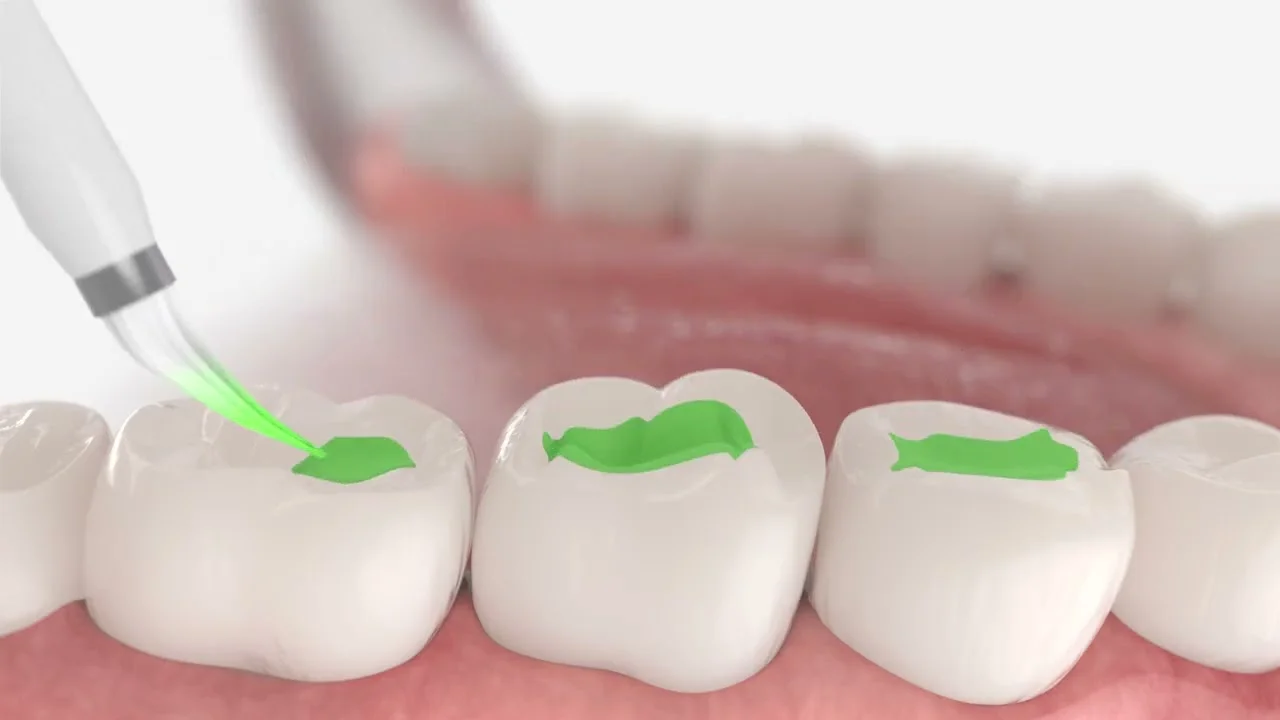
Sealants protect the molars, the larger, flatter back teeth where most cavities occur. Decay-causing bacteria hide in the pits and fissures of their chewing surfaces, which a regular toothbrush can hardly reach. The sealant acts as a barrier that keeps food and bacteria off the enamel. For a child at high risk of decay, the dentist may also coat other teeth, such as bicuspids.
Sealants do not improve tooth health directly and are no substitute for fluoride supplements (if recommended) or daily care. But they are generally less costly, less uncomfortable and better looking than dental fillings.
How are sealants applied?
Most sealants are liquid plastic. The dentist cleans and prepares the molars, then paints on the sealant; some types are bright pink when wet and clear when dry, so the dentist can see every pit and fissure is coated. The sealant then self-hardens or is cured for several seconds with a blue spectrum light, depending on the brand, leaving a thin, hard, clear (or whitish) layer. The whole procedure takes one visit and is painless.
When should sealants be applied?
Sealants usually go on when the baby molars first emerge, and pediatric dentists recommend sealing permanent molars as soon as they emerge, sometimes before they are fully grown. Depending on the child’s oral habits, a sealant may last the life of the baby tooth or need replacing several times.
Sealants are checked at twice-yearly appointments, because a lifting seal can trap food against the enamel and cause decay. If you have questions about dental sealants, please contact our office.
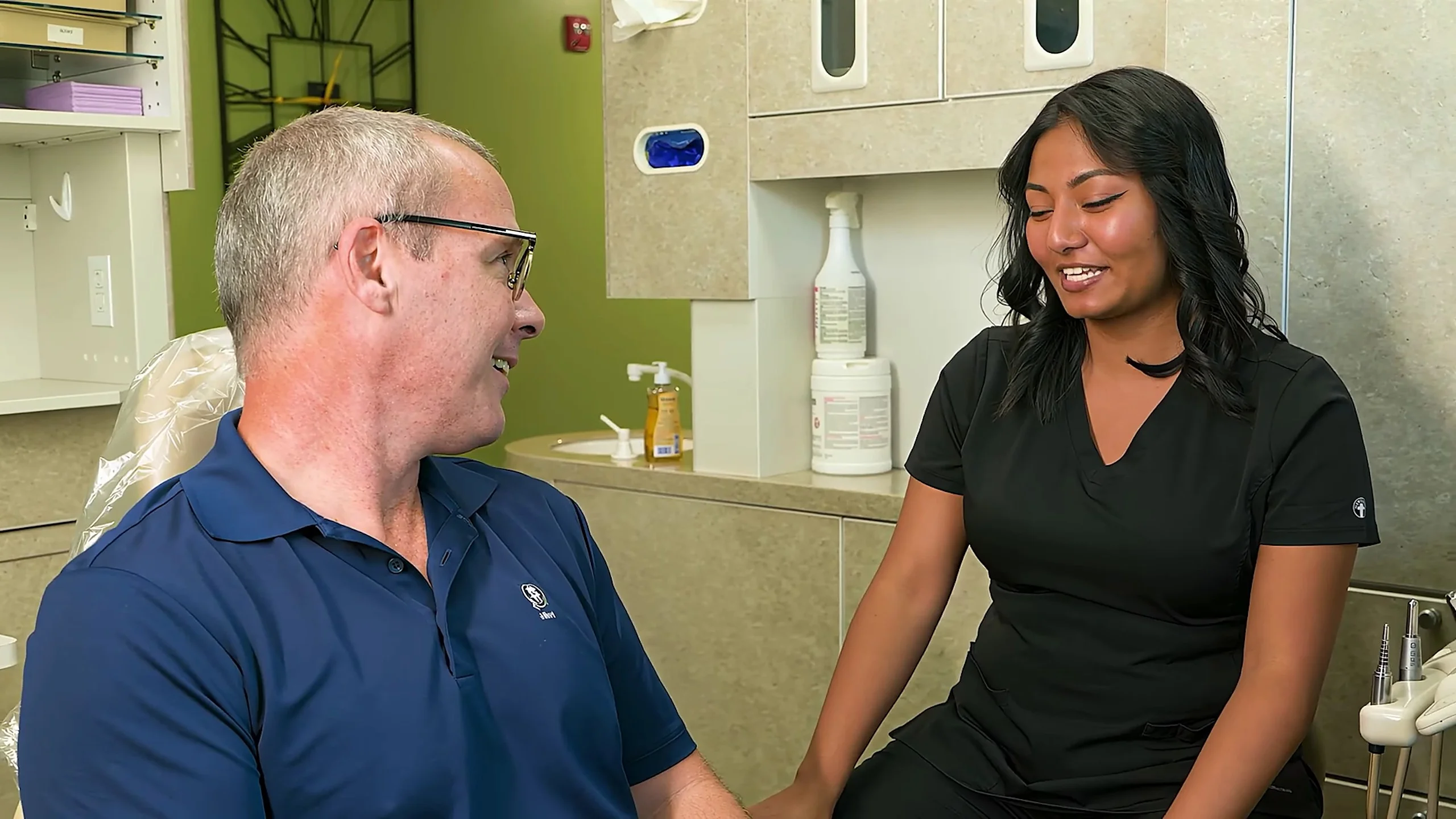
Broadway Dentistry - Dental Sealants
A short video from our office.
Pediatric Dentistry
Our emphasis is on total preventive care of your entire family.Child's First Visit
A child's first dental visit is recommended around their first birthday. Here's how to prepare and keep it positive.Why See a Pediatric Dentist?
Pediatric dentists (or pedodontists) are qualified to meet the dental needs of infants, toddlers, school-age children, and adolescents.Why Are Primary Teeth Important?
Primary teeth, also known as “baby teeth” or “deciduous teeth,” begin to develop beneath the gums during the second trimester of pregnancy.Care for Your Child's Teeth
Pediatric oral care has two main components: preventative care at the dentist’s office and preventative care at home.How Often Should Children Have Dental Checkups?
Twice-yearly dental visits for children, starting about six months after the first tooth appears, and what each checkup covers.

New patients welcome
Emergency calls and appointments are available and welcome, especially for new patients seeking help.