


Scaling and Root Planing
A deep clean below the gum line
Scaling and root planing is a dental procedure involving the removal of plaque and calculus stuck above and below the gum line. The procedure is necessary after a patient’s gums, bones, and surrounding tissues become damaged due to periodontal disease. It is the first step to reducing inflammation associated with periodontal disease. Routine recall is recommended after initial scaling and root planing.
Why do I need it?
Scaling and root planing is a deep cleaning below the gumline that treats gum disease. Plaque, a sticky film of bacteria, inflames the gums, which pull away from the teeth to form pockets. Plaque trapped there can’t be brushed out, and untreated gum disease can lead to bone and tooth loss.
Caught early, at the gingivitis stage, one to two regular cleanings and better home care are usually enough; deeper pockets may need scaling and root planing. Learn more on our Periodontal (Gum) Care page.

What happens during scaling and root planing?
This deep cleaning has two parts:
- ScalingRemoving plaque and tartar above and below the gumline, down to the bottom of the pocket.
- Root planingSmoothing the tooth roots so the gums can reattach.
It’s usually done one quarter of the mouth at a time while the area is numb, and may take more than one visit. It helps the gums heal and the pockets shrink; medicated rinses or an electric toothbrush may be recommended to help.
After care
You may have some pain for a day or two, sensitivity for up to a week, and swollen, tender or bleeding gums. Your dentist may prescribe a pill or rinse, and will see you again to check healing and measure your pockets; deeper pockets may need more treatment.
At home, brush twice a day with a soft brush, clean between your teeth daily, eat a balanced diet, avoid tobacco and keep up regular visits.

Periodontal maintenance
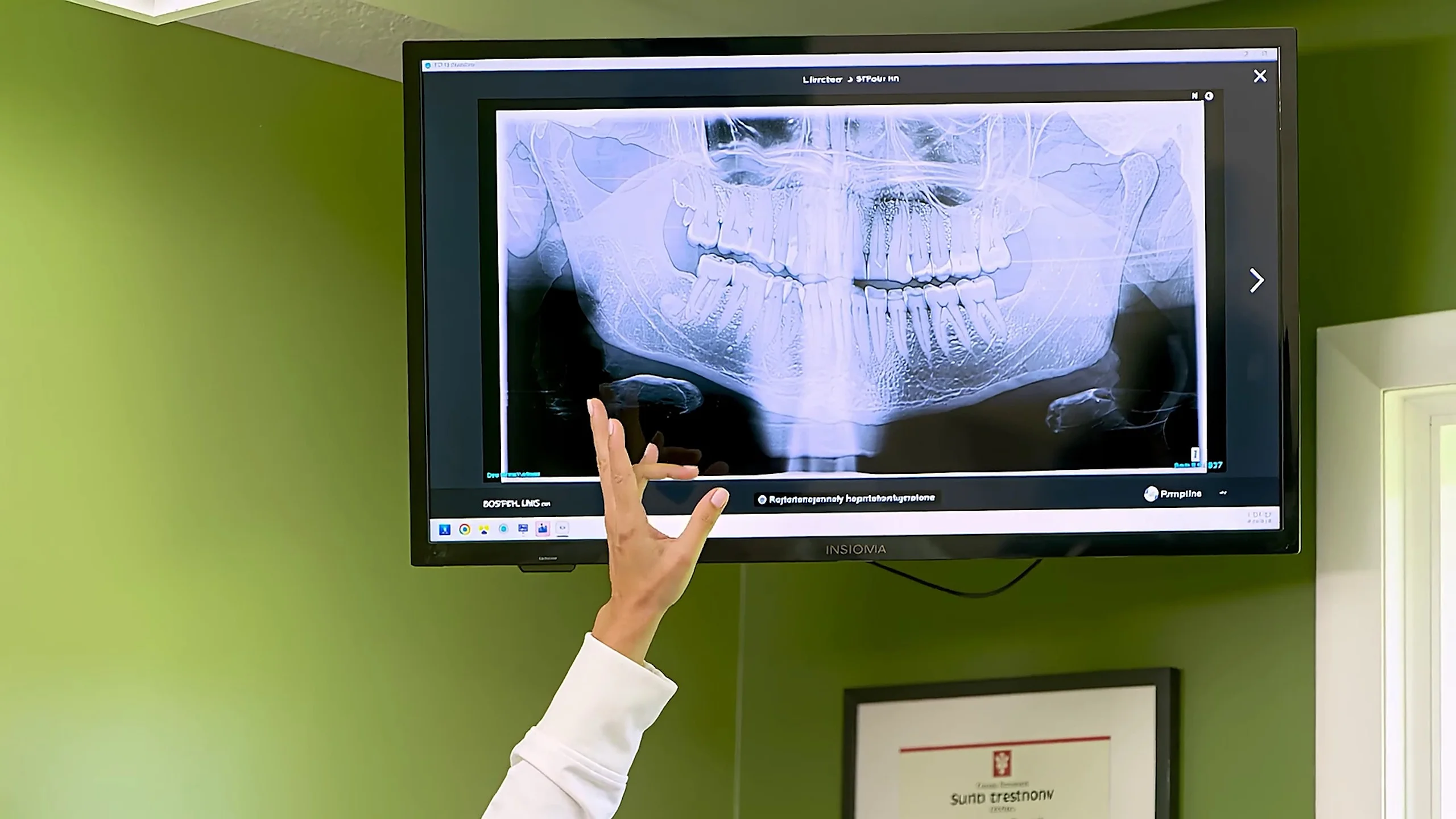
Plaque left on your teeth can harden into calculus (tartar) in just twenty-four hours, and hard-to-reach areas always need extra attention, so periodontal cleanings are essential to keeping gum disease under control. After treatment, we recommend maintenance cleanings, usually four times a year.
At each one, we check your pocket depths and remove plaque and calculus above and below the gumline. Your appointment will usually also include:
- Examination of diagnostic X-rays
- Examination of existing fillings, crowns, etc.
- Examination for tooth decay
- Oral cancer screening
- Oral hygiene recommendations (electric toothbrushes, special periodontal brushes, fluorides, rinses, etc.)
- Teeth polishing
Frequently Asked Questions
Is scaling and root planing painful?
The area is numbed with a local anesthetic during treatment. Afterwards you may have pain for a day or two and teeth sensitivity for up to a week, and your gums may be swollen, tender and bleed.
How is this different from a regular cleaning?
A regular cleaning removes plaque and tartar at and just below the gum line. Scaling and root planing is a deep cleaning that goes all the way to the bottom of the gum pockets and smooths the tooth roots so the gums can reattach.
How often will I need maintenance cleanings?
Usually four times a year once your periodontal treatment has been completed.
Can I use a water flosser at home?
Yes. Flushing between the teeth with a water jet or water pick is gentle on the gums, but it should not be used as a substitute for professional dental cleaning.

New patients welcome
Emergency calls and appointments are available and welcome, especially for new patients seeking help.