


What is Periodontal (Gum) Disease?
Patient educationWhat is Periodontal (Gum) Disease?
Periodontal means “around the tooth.” Periodontal disease (also called periodontitis or gum disease) is a common inflammatory condition of the soft tissues around the teeth that, in its most advanced stages, affects the jawbone itself.
How gum disease develops
It usually starts as gingivitis, a bacterial infection that begins when toxins contained in plaque irritate the gums. Once the infection settles into the gum pockets it is much harder to treat, and the body’s chronic inflammatory response starts breaking down its own bone and soft tissue. There may be few symptoms as deepening pockets form, but untreated it leads to shifting, loose and lost teeth. It is the leading cause of adult tooth loss in the developed world and should always be treated promptly.

- Chronic periodontitisThe most common form. Inflammation causes deep pockets and receding gums, so teeth look longer, with steady loss of attachment and periods of rapid progression.
- Aggressive periodontitisOccurs in otherwise healthy people, with rapid loss of gum attachment, bone destruction and a tendency to run in families.
- Necrotizing periodontitisMost common in people with HIV, immunosuppression or malnutrition; tissue dies in the periodontal ligament, bone and gums.
- Periodontitis caused by systemic diseaseOften begins young, with respiratory disease, diabetes and heart disease as common cofactors.

Treatment for periodontal disease
A complete periodontal exam comes first; the dentist then chooses surgical or non-surgical treatment based on the condition of the teeth, gums and jawbone.
- Scaling and root planingScaling and root planing removes the bacteria and tartar causing the infection; pockets are treated with antibiotics as needed, sometimes with a prescription mouthwash.
- Tissue regenerationGrafting, sometimes with a membrane, encourages lost bone and gum tissue to regrow.
- Pocket elimination surgeryFlap surgery reduces the pockets between teeth and gums; jawbone surgery can smooth indentations where bacteria collect.
- Dental implantsDental implants replace teeth lost to gum disease, sometimes after tissue regeneration to strengthen the bone.
Please contact our office if you have questions about periodontal disease, its treatment or dental implants.
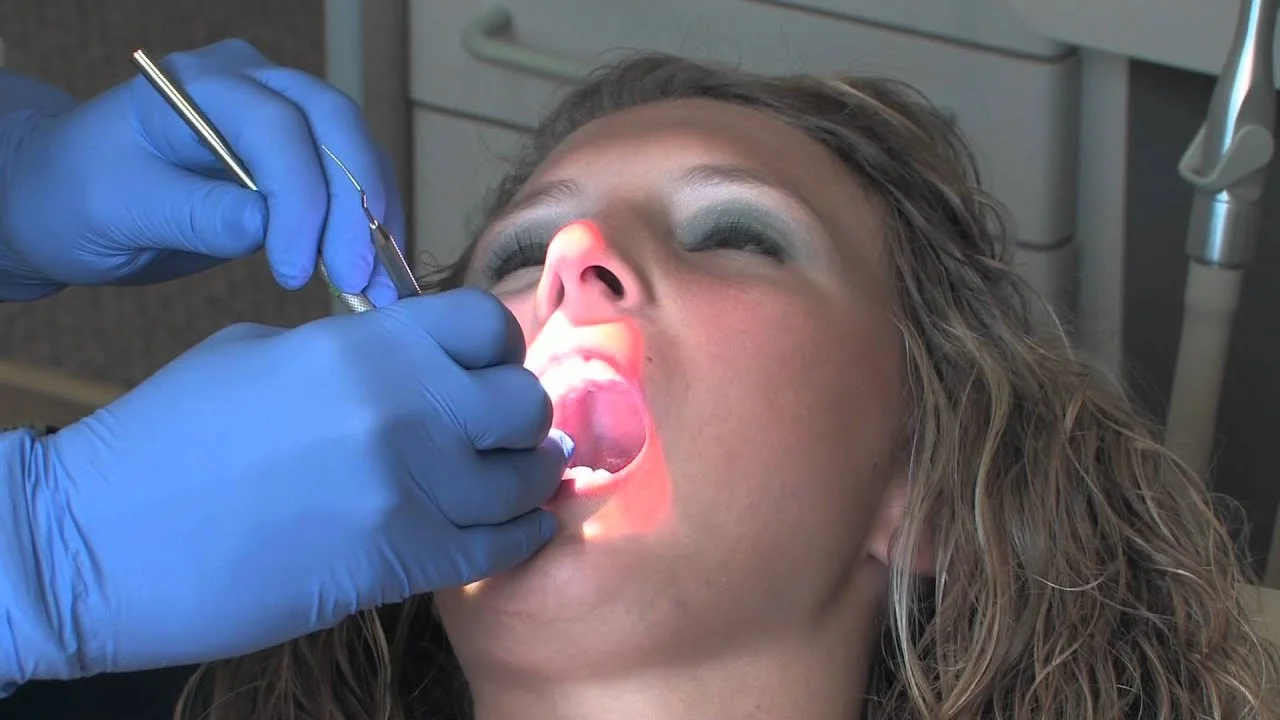
Periodontal Screening
A short video from the American Dental Association.

Periodontal Disease
Periodontal disease attacks the gums and bone that support the teeth, and shows as red, swollen and bleeding gums.About Periodontal Disease
Periodontal disease attacks the gums and bone that support the teeth, and it is usually painless in its early stages.Causes of Periodontal Disease
Periodontal disease, which is also known as gum disease and periodontitis, is a progressive disease which, if left untreated, may result in tooth loss.Signs & Symptoms of Gum Disease
Gum disease is the leading cause of adult tooth loss. Learn the signs, from bleeding gums to loose teeth, so it is caught early.Types of Periodontal Disease
From gingivitis to advanced periodontitis: the types of gum disease, how they progress, and how each one is treated.Periodontal Disease Diagnoses
Periodontal disease is diagnosed by your dentist or dental hygienist during a periodontal examination.

New patients welcome
Emergency calls and appointments are available and welcome, especially for new patients seeking help.