

Signs & Symptoms of Gum Disease
Patient educationSigns & Symptoms of Gum Disease
Periodontal disease (periodontitis, or gum disease) is a progressive condition and the leading cause of adult tooth loss in the developed world. Toxins in plaque inflame the gum tissue, and the resulting infection (gingivitis) can go on to destroy the gums and underlying bone, loosening teeth or causing them to fall out.
Types of gum disease
Common types of periodontal disease include aggressive, chronic and necrotizing periodontitis, and periodontitis associated with systemic diseases. Each has its own characteristics and symptoms, and all need prompt treatment by a dentist to stop further bone and tissue loss.

Common signs and symptoms
Periodontal disease can progress without pain or other symptoms, which is why regular dental checkups matter. If you notice any of these signs, see a general dentist or periodontist as soon as possible:
- Unexplained bleedingBleeding when brushing, flossing or eating is one of the most common signs of infection.
- Pain, redness or swellingGums that are swollen, red or painful for no clear reason may be infected. Treat it before it reaches the jawbone or spreads through the bloodstream.
- Longer-looking teethBacterial toxins destroy supporting tissue and bone, causing gum recession and a more “toothy” smile.
- Bad breath (halitosis)Besides the tongue, lungs, stomach, food or tobacco use, bad breath can come from food and bacteria trapped in deep gum pockets.
- Loose teeth or a changed biteTeeth loosening or shifting as bone is destroyed is a sign of rapidly progressing periodontitis.
- PusPus between the teeth is a definite sign of infection, as the body fights the bacteria.
Treatment of periodontal disease
The dentist first assesses the whole mouth to gauge how far the disease has progressed, then may treat the infection with antibiotics alongside nonsurgical treatment, surgery or both. For moderate disease, scaling and root planing clears debris from the pockets, which may then be filled with antibiotics to aid healing and kill remaining bacteria.
Severe periodontitis can be treated with:
- Tissue and bone graftingWhere much bone or gum has been lost, a membrane is inserted to stimulate new tissue growth.
- Pocket elimination surgery“Flap surgery” directly reduces the size of the gum pockets.
If you have questions about the signs and symptoms of periodontal disease, please contact us!
Periodontal Screening
A short video from the American Dental Association.
Types of Periodontal Disease
From gingivitis to advanced periodontitis: the types of gum disease, how they progress, and how each one is treated.Periodontal Disease Diagnoses
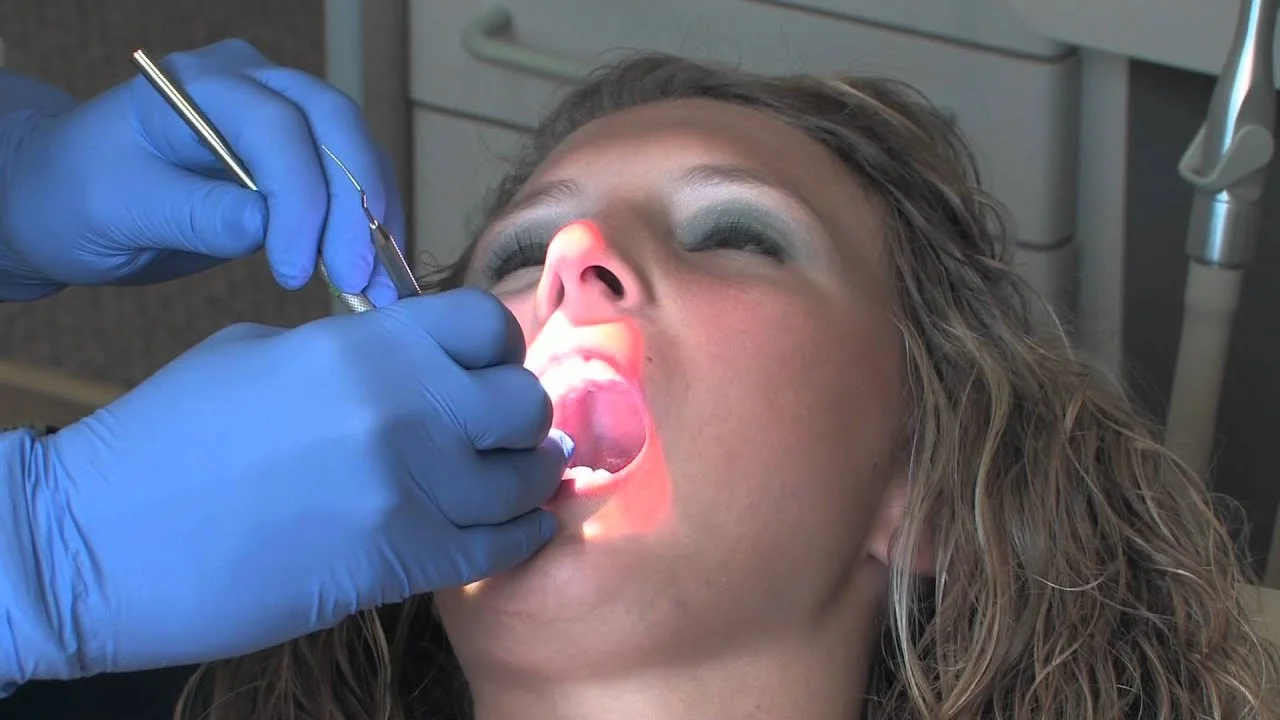
Periodontal disease is diagnosed by your dentist or dental hygienist during a periodontal examination.Diagnosis
Periodontal disease is diagnosed during a periodontal exam, which should always be part of your regular dental check-up.Treatment
Periodontal treatment depends on the type and severity of the disease. Your dentist and hygienist will recommend the right treatment.Periodontal Treatment
Periodontal treatment methods depend upon the type and severity of the disease.Periodontal Maintenance
It only takes twenty four hours for plaque that is not removed from your teeth to turn into calculus (tartar)!
New patients welcome
Emergency calls and appointments are available and welcome, especially for new patients seeking help.