

Extractions
When a tooth has to go
Extraction of a tooth is the removal of the entire crown and root from the bone. This is sometimes the best course of action due to decay, pain, or trauma.
When is an extraction needed?
If you are experiencing extreme sensitivity or advanced periodontal disease, you may need a tooth extracted. A simple extraction safely removes the affected tooth without major surgery, relieving pain or preparing you for another cosmetic or restorative procedure. Common reasons include:
- Advanced periodontal disease that has loosened the tooth roots
- Extra teeth or baby teeth that impede adult teeth
- Preparing a patient for orthodontic treatment
- Removing a fractured or malformed tooth
- Severe tooth decay which cannot be remedied with root canal therapy
How a tooth is extracted
The dentist first takes X-rays to plan the procedure, and a local anesthetic keeps you from feeling pain. A tool called an elevator loosens the tooth from the ligaments and gum tissue, then forceps gently rock it free; a stubborn tooth or a more complex case may need to come out in smaller pieces. We then pack gauze into the socket for you to bite down on, and place stitches if needed.
If you are sick the week before your extraction or on the day, please let us know, as other arrangements may need to be made.
Replacing an extracted tooth
When a tooth has to be removed, there are a number of restorative options to replace it, such as bridges, dental implants and partial dentures. All of these can restore biting, chewing, and speaking functions. See Crowns & Bridges, Dental Implants and Dentures & Partials.
Frequently Asked Questions
Will it hurt?
You will be given a local anesthetic that will prevent you from feeling pain during the procedure.
Do all wisdom teeth need to come out?
No. Not all wisdom teeth require removal. Your dentist will examine them and take X-rays to determine whether a current problem exists or is likely to develop.
What if I'm sick before my extraction?
If you are sick the week before your scheduled extraction or on the day of it, please let us know, as alternative arrangements may need to be made.
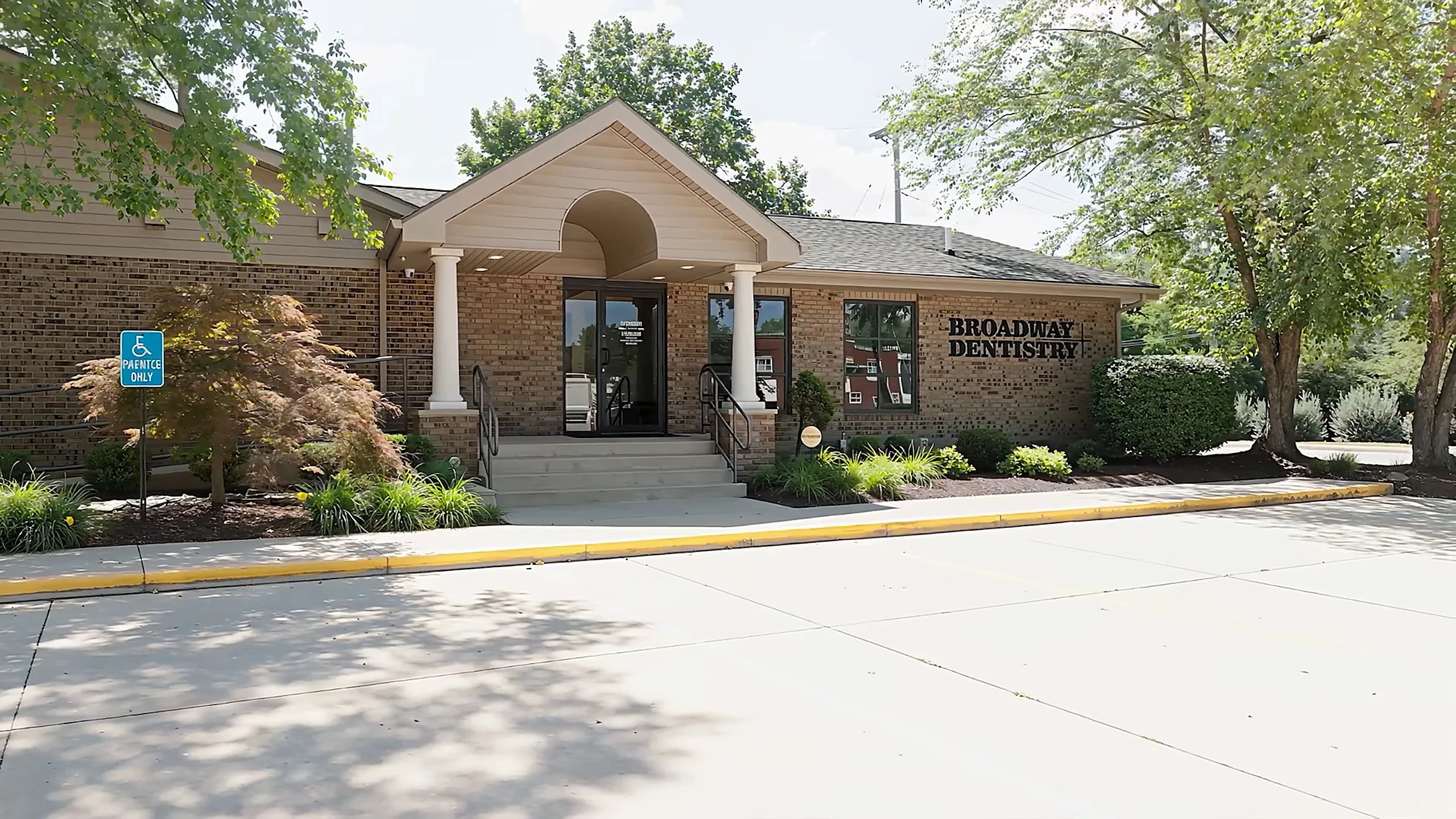
New patients welcome
Emergency calls and appointments are available and welcome, especially for new patients seeking help.