


Periodontal Care
Healthy gums, healthy smile
Periodontal disease is a severe inflammatory disease that affects the gums, bones, and surrounding tissues in the mouth. Periodontal disease can cause bone loss, loose teeth and the loss of teeth over time. Untreated periodontal disease increases risk of cardiovascular disease, dementia, and preterm childbirth.
What is gum disease?
Periodontal (“around the tooth”) disease attacks the gums and bone that support the teeth. Plaque (a sticky film of food debris, bacteria and saliva) left in place hardens into calculus (tartar), and both destroy gums and bone.
It usually starts as gingivitis, a gum infection that is harder to treat once it reaches the pockets between teeth. Untreated, it leads to shifting, loose and lost teeth; it is the leading cause of tooth loss in adults. Because it is usually painless early on, regular dental checkups matter.

Signs and symptoms
- Bleeding gumsNever normal, even when you brush hard or floss.
- Red, puffy or tender gumsHealthy gums are never red or swollen.
- Receding gums and longer-looking teethGum lost from around a tooth.
- Loose teeth or new spacing between teethA sign of bone loss.
- A change in your biteTeeth that were once firm start to shift.
- Persistent bad breathFrom bacteria in deeper gum pockets.

What causes it?
Genes and environment both play a part, and in many cases prevention lowers the risk significantly. Common causes include:
- Poor dental hygienePlaque and calculus left in place let bacterial toxins attack the gums and bone.
- Tobacco useOne of the biggest factors, and smokers heal more slowly.
- Genetic predispositionSome people are more susceptible despite rigorous hygiene.
- Pregnancy and menopauseHormonal changes make the gums more sensitive.
- Chronic stress and poor dietBoth weaken the body’s ability to fight infection.
- Diabetes and other medical conditionsIncluding respiratory disease, heart disease, arthritis and osteoporosis.
- Grinding teethclenching or grinding damages the supporting tissue and speeds the disease.
- MedicationIncluding oral contraceptives, heart medicines, anti-depressants and steroids.
How it’s diagnosed
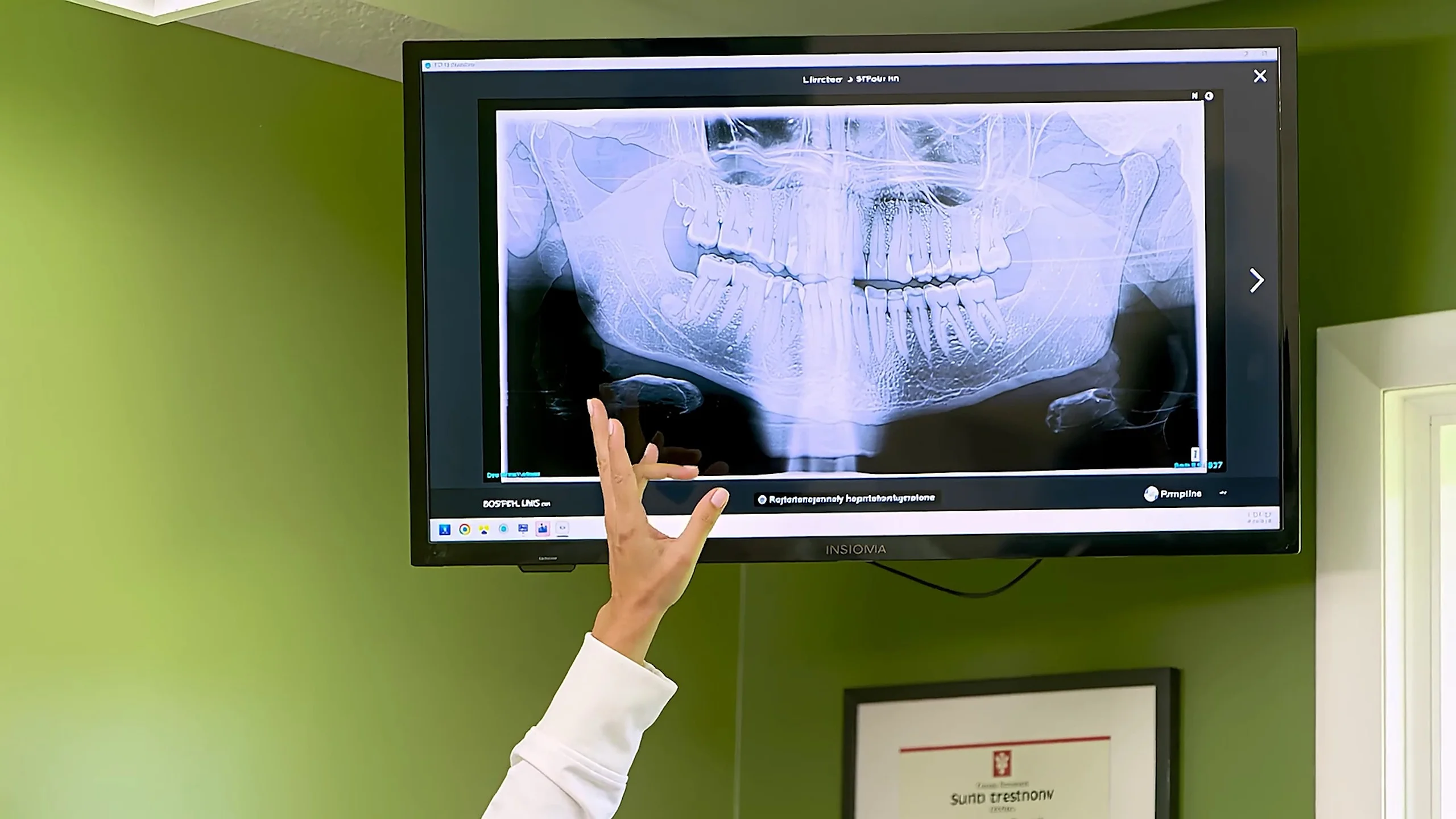
At every check-up, a periodontal examination gently measures the pocket between each tooth and the gum with a small probe. Healthy pockets are three millimeters or less and don’t bleed; deeper ones mean the disease is progressing. Pocket depth, bleeding, inflammation and loose teeth place it in one of three stages:
- GingivitisTender, inflamed gums that bleed easily, and easily reversed with home care and professional cleaning.
- PeriodontitisCalculus forms, the gums recede and deeper pockets fill with bacteria, with slight to moderate bone loss.
- Advanced periodontitisThe gums, bone and ligament keep breaking down, and untreated teeth loosen and may be lost.
How we treat it
After a complete periodontal exam, treatment focuses on removing the bacteria and calculus to stop the infection spreading. It usually begins with scaling and root planing, a deep cleaning of the gum pockets, sometimes with antibiotics and a prescription mouthwash.
Gum recession can come from brushing too hard, poor hygiene, chewing tobacco or gum disease itself, so we address the cause first: a softer toothbrush and gentler technique, a professional cleaning, or scaling and root planing for heavy build-up.


Your gums and your overall health
Research shows a strong link between gum disease and other chronic conditions, so halting it may also lower your risk of other serious illnesses.
- DiabetesGum disease makes blood sugar harder to control, and higher sugar feeds the bacteria.
- Heart disease and strokeOral bacteria in the bloodstream may contribute to clots and narrowed arteries.
- PregnancyGum disease is linked to a higher risk of preeclampsia and premature, underweight babies.
- Respiratory diseaseOral bacteria drawn into the lungs may cause or worsen pneumonia and COPD.
Gum disease: learn more

Periodontal Disease
Periodontal disease attacks the gums and bone that support the teeth, and shows as red, swollen and bleeding gums.Periodontal Disease Diagnoses
Periodontal disease is diagnosed by your dentist or dental hygienist during a periodontal examination.Periodontal Treatment
Periodontal treatment methods depend upon the type and severity of the disease.When to See a Periodontist
A periodontist specializes in preventing, diagnosing and treating gum and jawbone disease. Here's when a referral makes sense.About Periodontal Disease
Periodontal disease attacks the gums and bone that support the teeth, and it is usually painless in its early stages.What is a Periodontist?
A periodontist is a dentist who specializes in the soft tissues of the mouth and the underlying jawbone which supports the teeth.Bruxism
Bruxism refers to an oral parafunctional activity that occurs in most humans at some point in their lives.Signs & Symptoms of Gum Disease
Gum disease is the leading cause of adult tooth loss. Learn the signs, from bleeding gums to loose teeth, so it is caught early.What is Periodontal (Gum) Disease?
Periodontal disease is a common inflammatory condition of the gums that, in its most advanced stages, affects the jawbone itself.Diagnosis
Periodontal disease is diagnosed during a periodontal exam, which should always be part of your regular dental check-up.Treatment
Periodontal treatment depends on the type and severity of the disease. Your dentist and hygienist will recommend the right treatment.Periodontal Maintenance
It only takes twenty four hours for plaque that is not removed from your teeth to turn into calculus (tartar)!Causes of Periodontal Disease
Periodontal disease, which is also known as gum disease and periodontitis, is a progressive disease which, if left untreated, may result in tooth loss.The Mouth–Body Connection
Gum disease is linked with diabetes, heart disease, pregnancy complications and respiratory disease. Healthy gums lower the risk.Periodontal Disease and Diabetes
It is well documented that people who suffer from diabetes are more susceptible to developing infections than non-diabetes sufferers.Types of Periodontal Disease
From gingivitis to advanced periodontitis: the types of gum disease, how they progress, and how each one is treated.Gum Disease, Heart Disease and Stroke
People with gum disease are nearly twice as likely to have coronary heart disease, and oral infection is a risk factor for stroke.Periodontal Disease and Osteoporosis
Periodontal disease is characterized by a progressive loss of supportive gingival tissue in the gums and jawbone.Gum Disease and Respiratory Disease
Periodontal disease (also called periodontitis and gum disease) has been linked to respiratory disease through recent research studies.Periodontal Disease and Pregnancy
Periodontal disease in expectant mothers carries risks for the unborn child, particularly if the mother also has diabetes.Perinatal and Infant Oral Health
Good oral health during pregnancy matters for your baby too. Gum disease is linked with premature birth, low birth weight and preeclampsia.
Frequently Asked Questions
Can gum disease be reversed?
Gingivitis, the mildest form, is easily reversible using a solid combination of home care and professional cleaning. Chronic periodontal disease cannot be completely cured because the supportive tissue cannot be rebuilt, but the dentist can halt its progression with scaling and root planing and ongoing maintenance.
Why do my gums bleed when I brush?
Bleeding when brushing, flossing or eating is one of the most common symptoms of a gum infection. The toxins in plaque cause a bacterial infection which makes the tissues prone to bleeding. Healthy gums should never bleed.
I'm pregnant. Should I still see the dentist?
Yes. During pregnancy, hormonal changes can make the gums more sensitive and more susceptible to gum disease, so regular brushing, flossing and check-ups are critical.
New patients welcome
Emergency calls and appointments are available and welcome, especially for new patients seeking help.