

About Periodontal Disease
Patient educationAbout Periodontal Disease
Periodontal means “around the tooth.” Periodontal disease attacks the gums and the bone that support the teeth, and many people have it without knowing, because it is usually painless in the early stages.
How it starts
Plaque is a sticky film of food debris, bacteria and saliva. If it is not removed, it turns into calculus (tartar), and together they begin to destroy the gums and bone. The disease is characterized by red, swollen and bleeding gums.

Why it matters
Periodontal disease is the number one reason for tooth loss. Research also suggests a possible link with stroke, bacterial pneumonia, diabetes, cardiovascular disease and increased risk during pregnancy, and researchers are studying whether its inflammation and bacteria affect these conditions. Smoking also increases the risk.
Good oral hygiene, a balanced diet and regular dental visits help reduce your risk.


Signs and symptoms of periodontal disease
- Bleeding gumsGums should never bleed, even when you brush vigorously or floss.
- Loose teethCaused by bone loss or weakened periodontal fibers (the fibers that hold the tooth to the bone).
- New spacing between teethCaused by bone loss.
- Persistent bad breathCaused by bacteria in the mouth.
- Pus around the teeth and gumsA sign of infection.
- Receding gumsLoss of gum around a tooth.
- Red and puffy gumsGums should never be red or swollen.
- Tenderness or discomfortPlaque, calculus and bacteria irritate the gums and teeth.
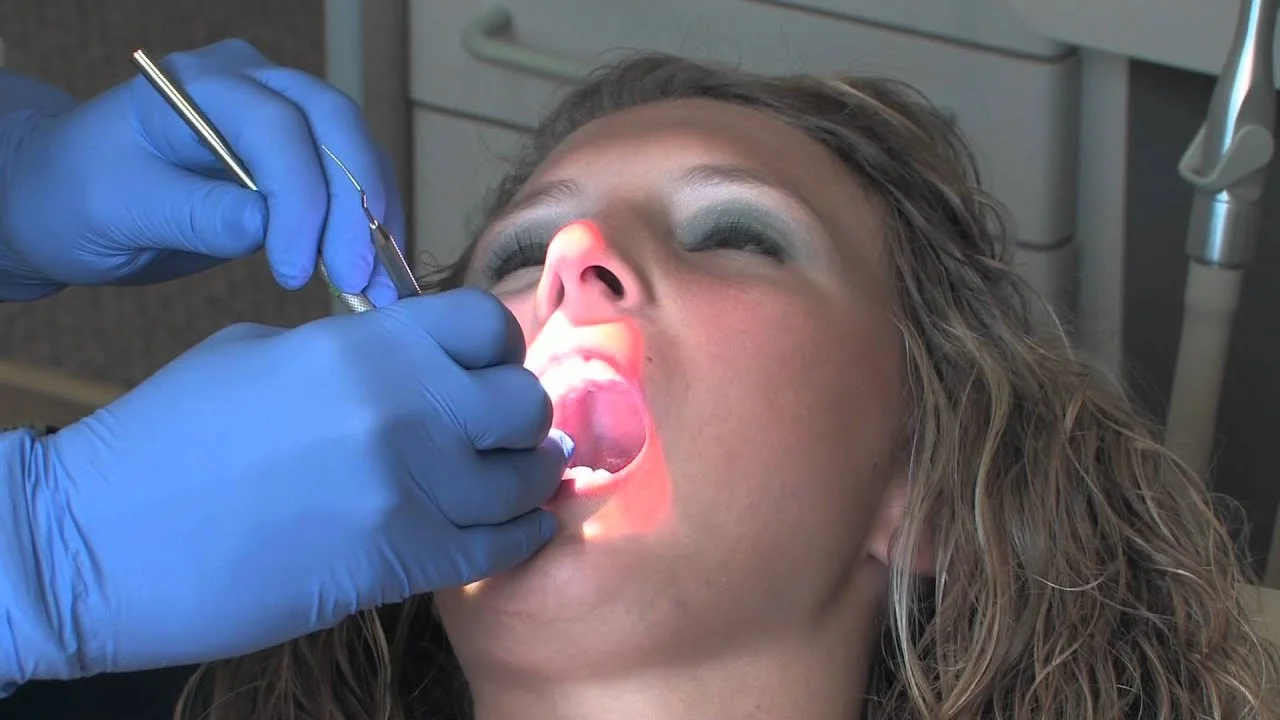
Periodontal Screening
A short video from the American Dental Association.
Causes of Periodontal Disease
Periodontal disease, which is also known as gum disease and periodontitis, is a progressive disease which, if left untreated, may result in tooth loss.Signs & Symptoms of Gum Disease
Gum disease is the leading cause of adult tooth loss. Learn the signs, from bleeding gums to loose teeth, so it is caught early.Types of Periodontal Disease
From gingivitis to advanced periodontitis: the types of gum disease, how they progress, and how each one is treated.Periodontal Disease Diagnoses
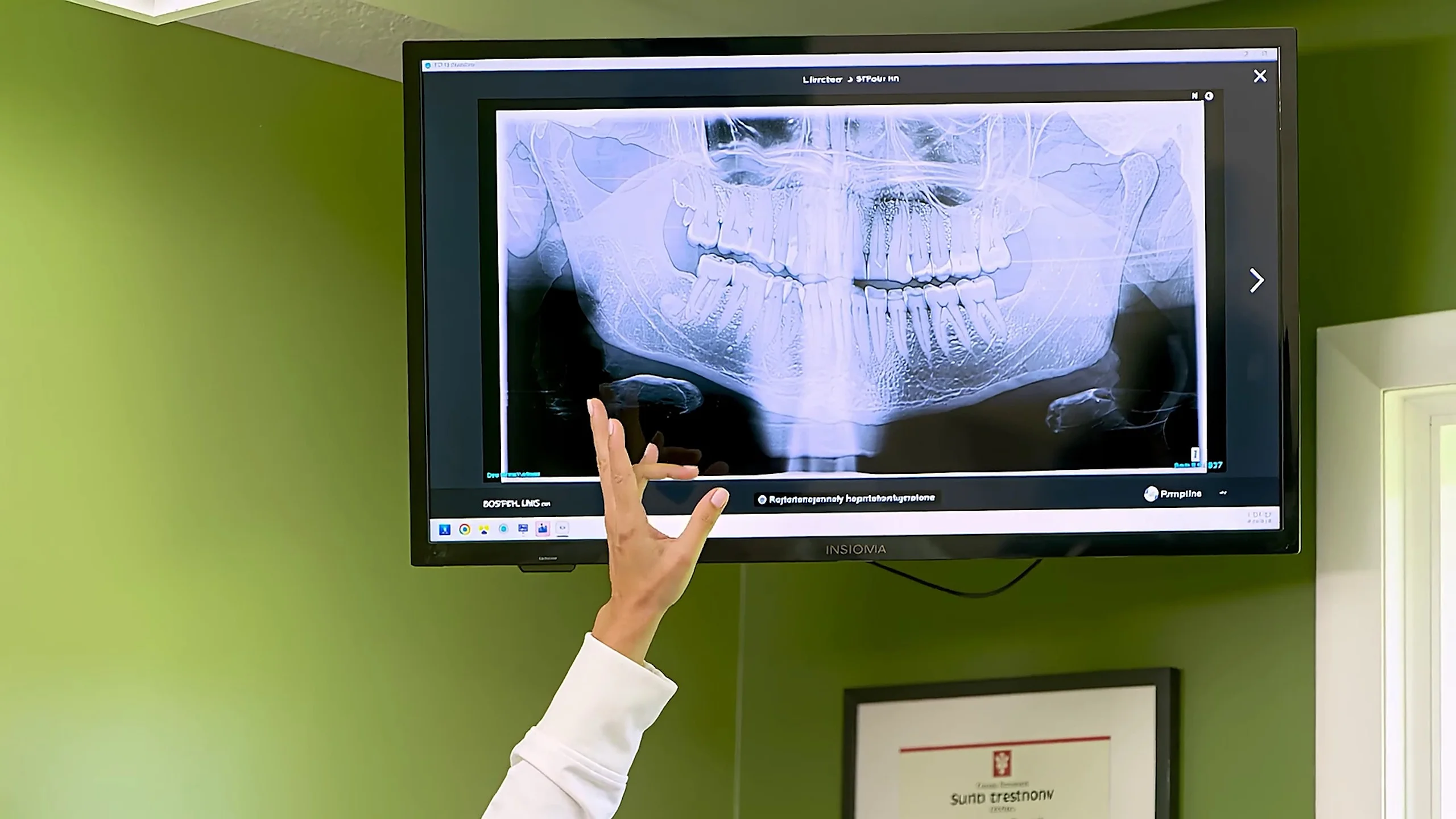
Periodontal disease is diagnosed by your dentist or dental hygienist during a periodontal examination.Diagnosis
Periodontal disease is diagnosed during a periodontal exam, which should always be part of your regular dental check-up.Treatment
Periodontal treatment depends on the type and severity of the disease. Your dentist and hygienist will recommend the right treatment.

New patients welcome
Emergency calls and appointments are available and welcome, especially for new patients seeking help.