


Treatment
Patient educationTreatment
Periodontal treatment depends on the type and severity of the disease. Your dentist and dental hygienist will check for periodontal disease and recommend the right treatment.
How gum disease progresses
Periodontal disease progresses as the sulcus (the pocket between the tooth and gums) fills with bacteria, plaque and tartar, irritating the surrounding tissue. Left in the pocket, these irritants damage the gums and eventually the bone that supports the teeth.

Early stage: gingivitis
If the disease is caught at the gingivitis stage, before any damage is done, one to two regular cleanings will be recommended. You will also get instructions for improving your daily oral hygiene and keeping up regular dental cleanings.


Advanced stages
More advanced disease calls for scaling and root planing (deep cleaning), usually done one numbed quadrant of the mouth at a time. Tartar, plaque and toxins are removed above and below the gum line (scaling) and rough root surfaces are smoothed (planing), helping the gums heal and pockets shrink. Medications, medicated mouth rinses and an electric tooth brush may be recommended to help control infection and healing.
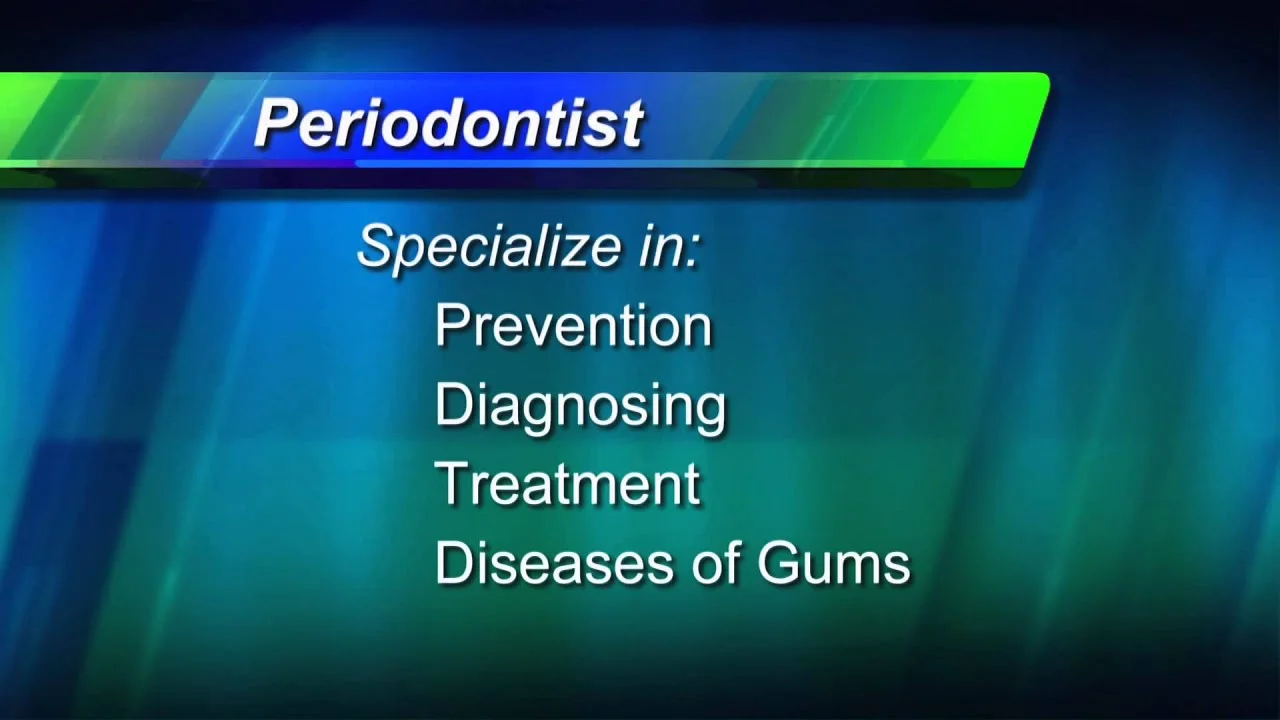
If the pockets do not heal, periodontal surgery may be needed to reduce pocket depths so teeth are easier to clean. Your dentist may also recommend that you see a periodontist (a specialist of the gums and supporting bone).
Periodontics
A short video from the American Dental Association.
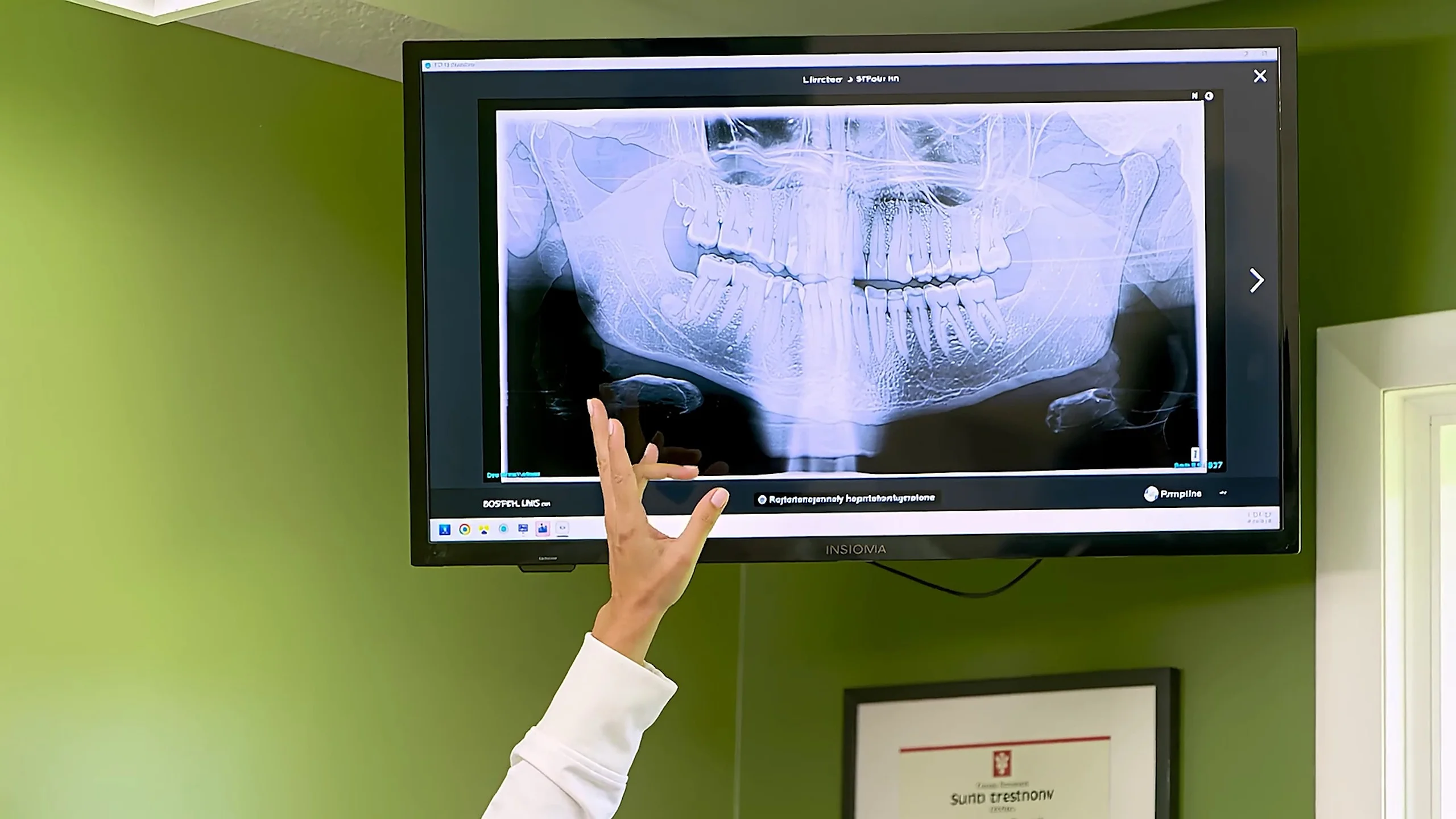
Periodontal Treatment
Periodontal treatment methods depend upon the type and severity of the disease.Periodontal Maintenance
It only takes twenty four hours for plaque that is not removed from your teeth to turn into calculus (tartar)!What is a Periodontist?
A periodontist is a dentist who specializes in the soft tissues of the mouth and the underlying jawbone which supports the teeth.When to See a Periodontist
A periodontist specializes in preventing, diagnosing and treating gum and jawbone disease. Here's when a referral makes sense.The Mouth–Body Connection
Gum disease is linked with diabetes, heart disease, pregnancy complications and respiratory disease. Healthy gums lower the risk.Gum Disease, Heart Disease and Stroke
People with gum disease are nearly twice as likely to have coronary heart disease, and oral infection is a risk factor for stroke.

New patients welcome
Emergency calls and appointments are available and welcome, especially for new patients seeking help.