


Oral Hygiene Aids
Patient educationOral Hygiene Aids
Regular dental check ups are essential for good oral hygiene and catching problems early, but they aren’t a “fix-all.” A thorough daily home-care routine prevents future problems.
Why home care matters
Periodontal disease (also called gum disease or periodontitis) is the leading cause of tooth loss in the developed world, and in most cases it is completely preventable. Professional cleanings twice a year plus daily cleaning at home remove most disease-causing bacteria and plaque, and well-cared-for teeth make a sparkling white smile. With so many aids on supermarket shelves, here are the most common ones and what they do.

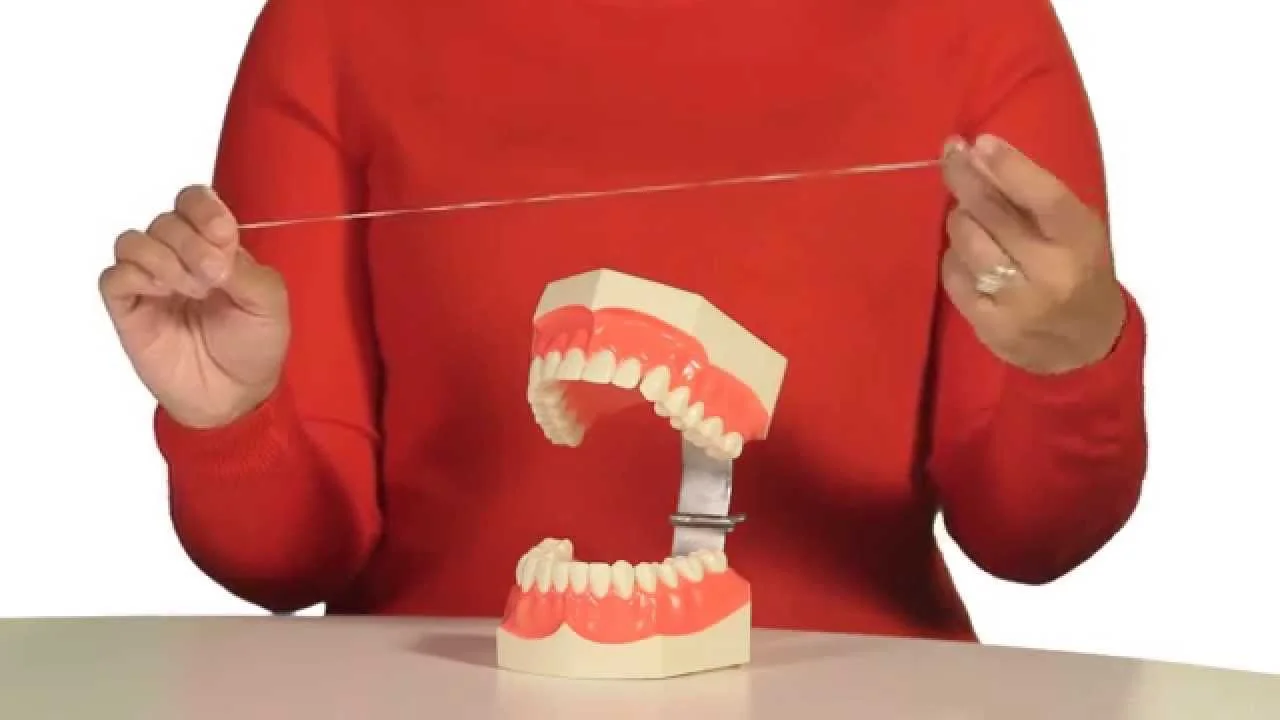
- Dental flossDental floss, made of nylon filaments or polyethylene ribbon, removes food and plaque between teeth and below the gums. Use it twice daily after brushing, gently: vigorous flossing with a floss holder can damage gums and cause bleeding.
- Interdental cleanersTiny brushes in various shapes and sizes, often recommended alongside floss, that gently clean the contours between teeth.
- Oral irrigatorsWater Jets and Waterpiks spray water into gum pockets to flush out bacteria and food. They lower the risk of gum disease but don’t replace brushing and flossing, or professional cleanings at least twice a year.
- Rubber tip stimulatorsTrace gently along the outer and inner gum line at least once a day to remove plaque and stimulate blood flow. Rinse the tip with tap water, replace it when worn, and store it somewhere cool and dry.
Mouth rinses and tongue cleaners
Over-the-counter cosmetic rinses only mask bad breath for a while, and studies show they do little against plaque. Therapeutic rinses, regulated by the FDA and sometimes prescription-only, contain active ingredients that help reduce bad breath, plaque and cavities. Use rinses after brushing.
Tongue cleaners, made of metal, wood or plastic and shaped to the tongue, remove bacteria, fungi and food debris linked to halitosis (bad breath) and to systemic diseases like diabetes, heart disease, respiratory disease and stroke. Clean your tongue before brushing so you don’t swallow them.

Toothbrushes
Dentists generally recommend electric toothbrushes: their vibrating or rotary motion dislodges plaque and food far more easily than a manual brush can. If you brush manually, replace it every three months as worn bristles stop working, and choose soft bristles, which are far gentler on gums than medium or hard. Pick an appropriately sized ADA-approved brush, and brush after each meal or at least twice a day.
If you have any questions about oral hygiene aids, please contact our practice.
How to Floss Your Teeth
A short video from the American Dental Association.
Fluoride
Fluorine, a natural element in the fluoride compound, has proven to be effective in minimizing childhood cavities and tooth decay.Fluoride Treatment
Fluoride is the most effective agent available to help prevent tooth decay.Xylitol – Reducing Cavities
Tooth decay is a common, yet preventable childhood problem.Tobacco Use
Tobacco use is one of the leading causes of death in society.Dental Health
Fillings are done to remove decay, and replace the affected tooth structure.Cleanings & Prevention
Prevention is a team effort between you, your dentist and our staff to stop dental disease before it starts, progresses or returns.

New patients welcome
Emergency calls and appointments are available and welcome, especially for new patients seeking help.