


Fillings
A filling removes decay and fills the hole it left with new material, today usually a bonded, tooth-colored composite resin. Caught early, cavities are easy and painless to treat. Left untreated, decay can cause pain or infection, and the tooth may need root canal treatment or extraction.

Bonding
Bonding attaches tooth-colored composite resin to the front of a tooth to repair decay damage, adjust alignment, close gaps or improve its look. The surface is roughened and etched with a gel, a bonding agent is applied, and the resin is placed, hardened with an intense light, then shaped and polished to a lustrous finish.

Sealants
Some teeth have grooves or pits too narrow for even one toothbrush bristle, so plaque collects there and cavities develop over time, however well you brush. The dentist brushes on a coating that seals the grooves and pits, so all the plaque can be brushed away.

Non-surgical gum treatments
The gums, ligaments and bone around the teeth (the periodontium) are their foundation, and when it is unhealthy the teeth are at risk. Signs of gum disease include red gums that bleed easily, persistent bad breath, gums pulling away from the teeth, loose teeth and changes in your bite. With proper care the gums can often return to health, so come in at the first sign of a problem. Treatment usually involves a deep cleaning or root planing under local anesthetic, with local antibiotics. Severe gum disease may need surgery or extraction.
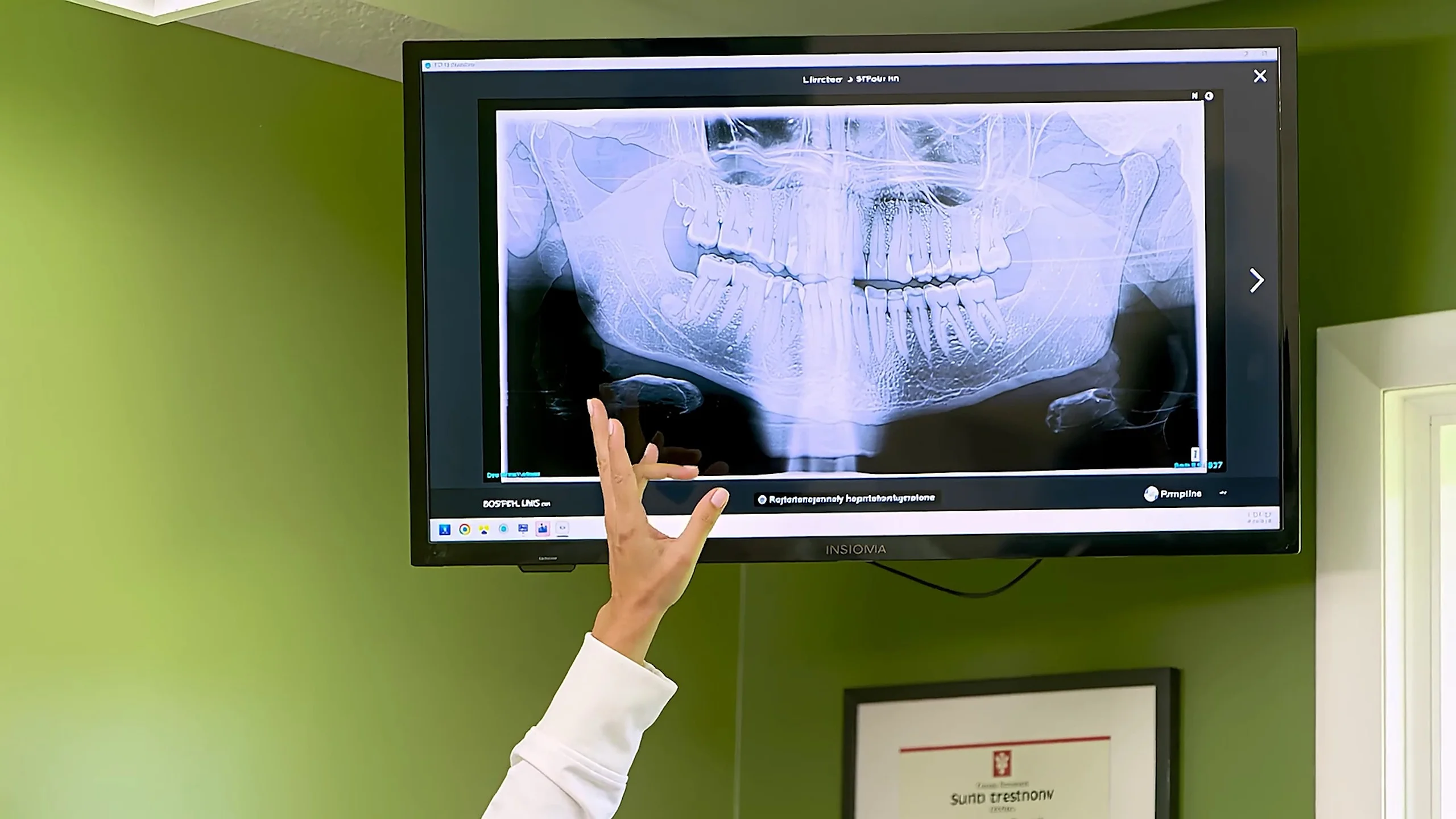

X-rays
X-rays pass a focused beam through the teeth and bone to produce the familiar black-and-white images used to diagnose problems. Without an X-ray of the whole tooth and its supporting bone and gums, there is no real way to detect infection or other disease.

Cleanings & Prevention
Prevention is a team effort between you, your dentist and our staff to stop dental disease before it starts, progresses or returns.Prophylaxis (Teeth Cleaning)
A dental prophylaxis is a cleaning procedure performed to thoroughly clean the teeth.Dental X-Rays
Dental radiographs (X-rays) are essential, preventative, diagnostic tools that provide valuable information not visible during a regular dental exam.How to Properly Brush and Floss
Brushing and flossing are of paramount importance to oral hygiene.How to Prevent Cavities
Childhood cavities, also known as childhood tooth decay and childhood caries, are common in children all over the world.Oral Hygiene Aids
Regular dental check ups are essential for maintaining excellent oral hygiene and diagnosing potential problems, but they are not a “fix-all” solution.
New patients welcome
Emergency calls and appointments are available and welcome, especially for new patients seeking help.