


Sealants in Fort Wayne
Patient educationSealants
A sealant is a thin plastic coating painted onto the chewing surfaces of molars, premolars and any deep grooves (pits and fissures), where more than 75% of dental decay begins. A sealant protects the tooth by sealing deep grooves, leaving a smooth surface that is easy to clean.
Reasons for sealants
Sealants can protect teeth for many years, but we check them for wear and chipping at regular dental visits.
- Children and teenagersAs soon as the six-year molars (the first permanent back teeth) appear, or any time during the cavity-prone years of 6–16.
- AdultsDecay-free tooth surfaces with deep grooves or depressions.
- Baby teethOccasionally, if the teeth have deep grooves and the child is cavity-prone.
What sealants involve
Your dentist or hygienist can apply a sealant in a couple of minutes per tooth. The tooth is cleaned, kept dry with cotton, and treated with a solution that helps the sealant bond. After rinsing and drying, the sealant is painted onto the grooves and hardens on its own or with a special curing light. Proper home care, a balanced diet and regular dental visits help your sealants last.
How to Seal Out Tooth Decay
A short video from the American Dental Association.
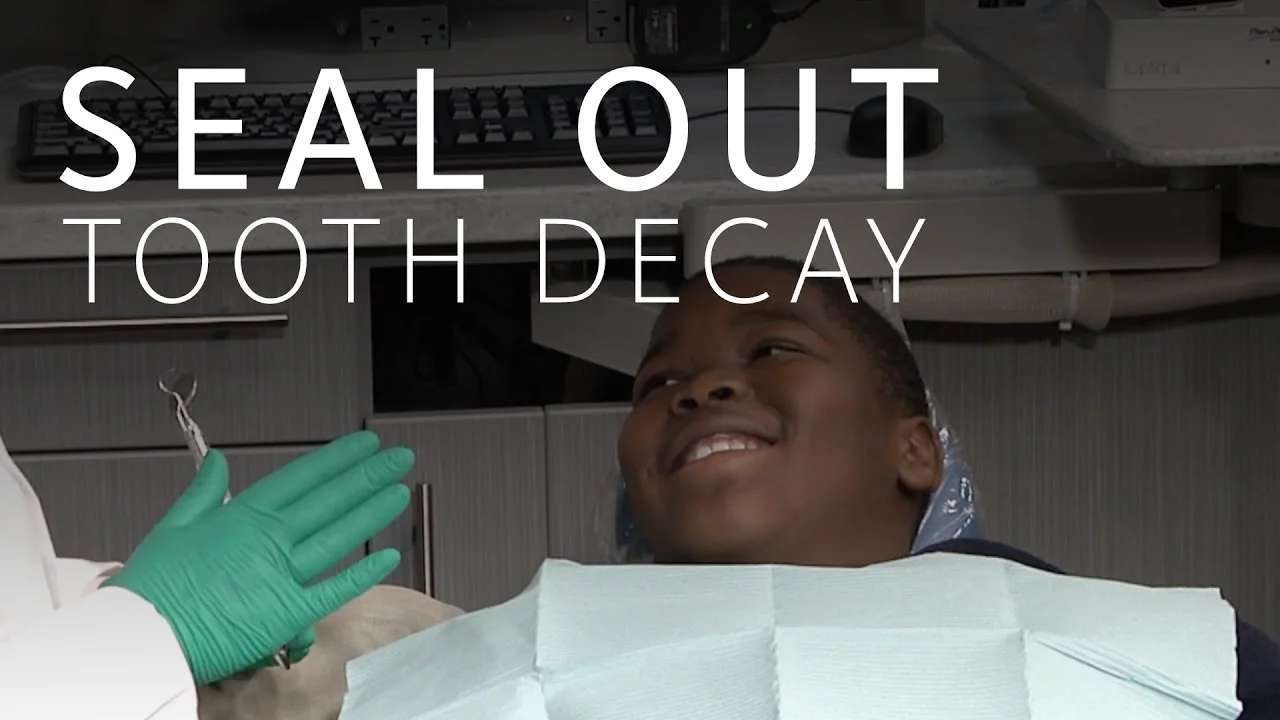
Sealing Out Tooth Decay
Tooth decay has become increasingly prevalent in preschoolers.Pediatric Dentistry
Our emphasis is on total preventive care of your entire family.Child's First Visit
A child's first dental visit is recommended around their first birthday. Here's how to prepare and keep it positive.Why See a Pediatric Dentist?
Pediatric dentists (or pedodontists) are qualified to meet the dental needs of infants, toddlers, school-age children, and adolescents.Why Are Primary Teeth Important?
Primary teeth, also known as “baby teeth” or “deciduous teeth,” begin to develop beneath the gums during the second trimester of pregnancy.Care for Your Child's Teeth
Pediatric oral care has two main components: preventative care at the dentist’s office and preventative care at home.

New patients welcome
Emergency calls and appointments are available and welcome, especially for new patients seeking help.