


How to Properly Brush and Floss
Patient educationHow to Properly Brush and Floss
Brushing and flossing are essential to oral hygiene. Twice-yearly professional dental cleanings remove plaque, tartar and debris, but good home care is just as valuable for a healthy mouth, a brighter smile and preventing serious disease.
- Prevents tooth decayTooth decay, caused by plaque acids eroding enamel, is a leading cause of tooth loss and is easily prevented at home.
- Prevents periodontal diseasePeriodontal disease, caused by plaque toxins, can cost teeth, gum and jawbone and affect health elsewhere; brushing and flossing remove the plaque and tartar.
- Prevents bad breathHalitosis usually comes from old food particles on or between the teeth.
- Prevents stainingRegularly removing stains from smoking, coffee and tea keeps them from becoming permanent.
How to brush
Brush at least twice a day, ideally morning and bedtime, with a small, soft brush with rounded bristles that is no more than three months old. The ADA has approved electric toothbrushes and says those with rotating or oscillating heads are more effective than others.
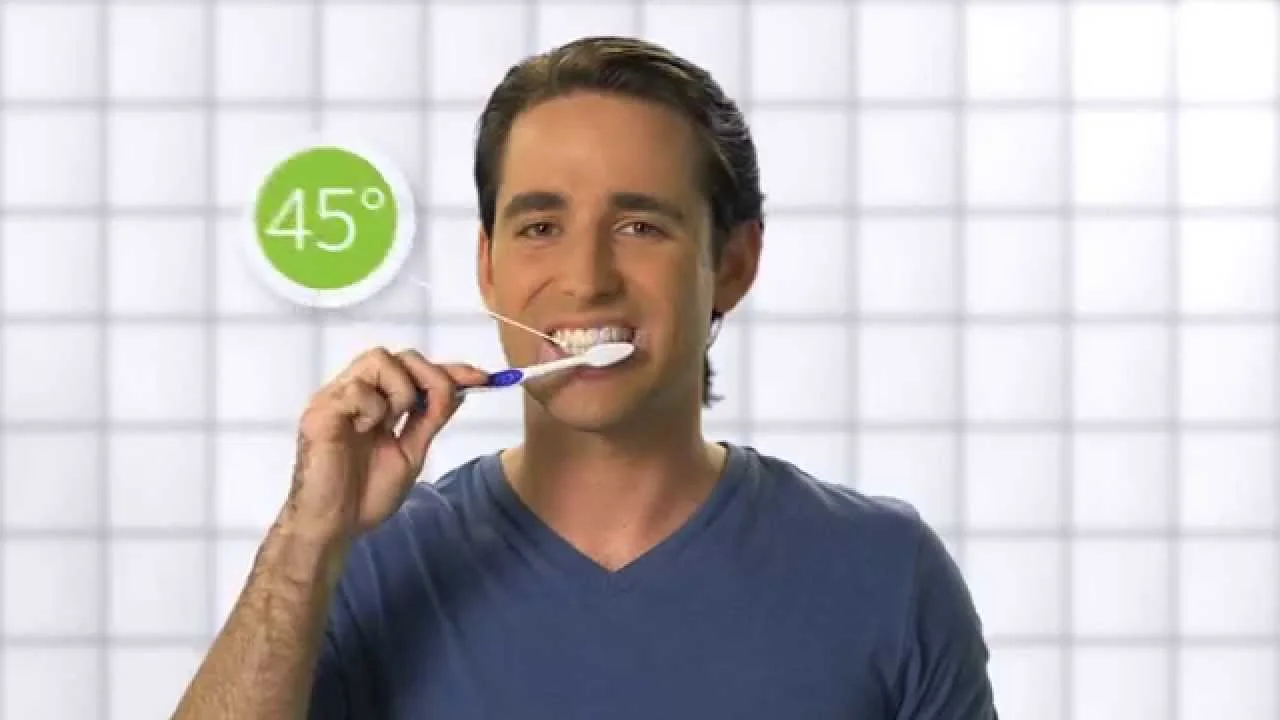
- Hold the brush at 45 degrees where the gums and teeth meet
- Brush the gumline and teeth gently in small circles
- Don’t scrub or press hard; it damages gums and enamel
- Brush every surface, cheek side, tongue side and chewing surfaces, especially the back teeth
- Use back-and-forth strokes on the chewing surfaces
- Brush the tongue to remove fungi, food and debris


How to floss
Floss daily to clean between the teeth, where a toothbrush can’t reach; it is especially important for preventing periodontal disease and limiting gum pocket depth. Any flavor or type of dental floss is fine, so choose one you find easy to use.
- Cut about 18 inches of floss
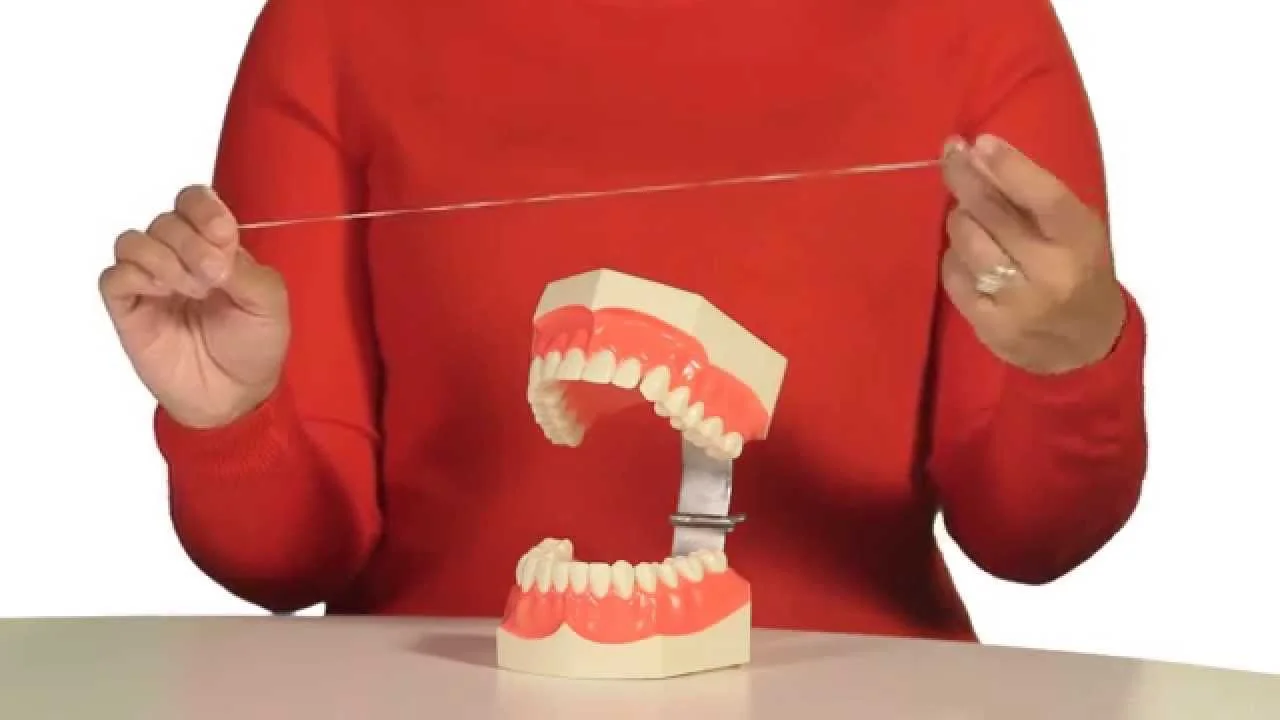
- Wrap the ends around your middle fingers until your hands are 2–3 inches apart
- Work the floss gently between the teeth toward the gumline
- Curve it in a U-shape around each tooth and slide it just beneath the gumline
- Move it up and down several times to remove plaque and debris
- Don’t pop it in and out; that can inflame and cut the gums
If you have questions about brushing or flossing, please contact our office.
How to Brush Your Teeth
A short video from the American Dental Association.
How to Floss Your Teeth
A short video from the American Dental Association.

How to Prevent Cavities
Childhood cavities, also known as childhood tooth decay and childhood caries, are common in children all over the world.Oral Hygiene Aids
Regular dental check ups are essential for maintaining excellent oral hygiene and diagnosing potential problems, but they are not a “fix-all” solution.Fluoride
Fluorine, a natural element in the fluoride compound, has proven to be effective in minimizing childhood cavities and tooth decay.Fluoride Treatment
Fluoride is the most effective agent available to help prevent tooth decay.Xylitol – Reducing Cavities
Tooth decay is a common, yet preventable childhood problem.Tobacco Use
Tobacco use is one of the leading causes of death in society.

New patients welcome
Emergency calls and appointments are available and welcome, especially for new patients seeking help.