


Fluoride
Patient educationFluoride
Fluorine, a natural element in the fluoride compound, is proven to reduce childhood cavities and tooth decay. It is in many toothpastes, oral gels and mouthwashes and most community water supplies, but too much can cause fluorosis, so the dentist checks that children get the right amount.
How fluoride prevents tooth decay
Oral bacteria feed on sugars and produce acids that attack tooth enamel, especially in children who take medications or produce less saliva. Repeated attacks cause cavities, decay and childhood periodontal disease. Fluoride slows mineral loss from the enamel and helps it remineralize. It works best alongside less sugar, regular brushing and flossing and pediatric dental visits twice a year.

How much fluoride is enough
Because water and toothpaste usually contain fluoride, children must not swallow too much. Under age two, use an ADA-approved non-fluoridated toothpaste. From two to five, use a pea-sized amount of ADA-approved fluoridated toothpaste twice a day and encourage your child to spit out the extra, which takes practice.
Fluoride intake between ages one and four determines whether fluorosis occurs later; its most common sign is white specks on the permanent teeth. Children over eight are not considered at risk, but should still use an ADA-approved toothpaste.


Does my child need fluoride supplements?
The dentist decides, after reviewing how much fluoride your child already gets, their general health and the sugar in their diet. A child who is not getting enough and is at high risk for decay may be recommended an at-home supplement. Topical fluoride can also be applied quickly and painlessly at a regular visit, as a foam, liquid, varnish or gel, held in trays for a few minutes or painted on with a brush. If you have questions about fluoride or fluorosis, please contact our office.
Fluoride Benefits
A short video from the American Dental Association.

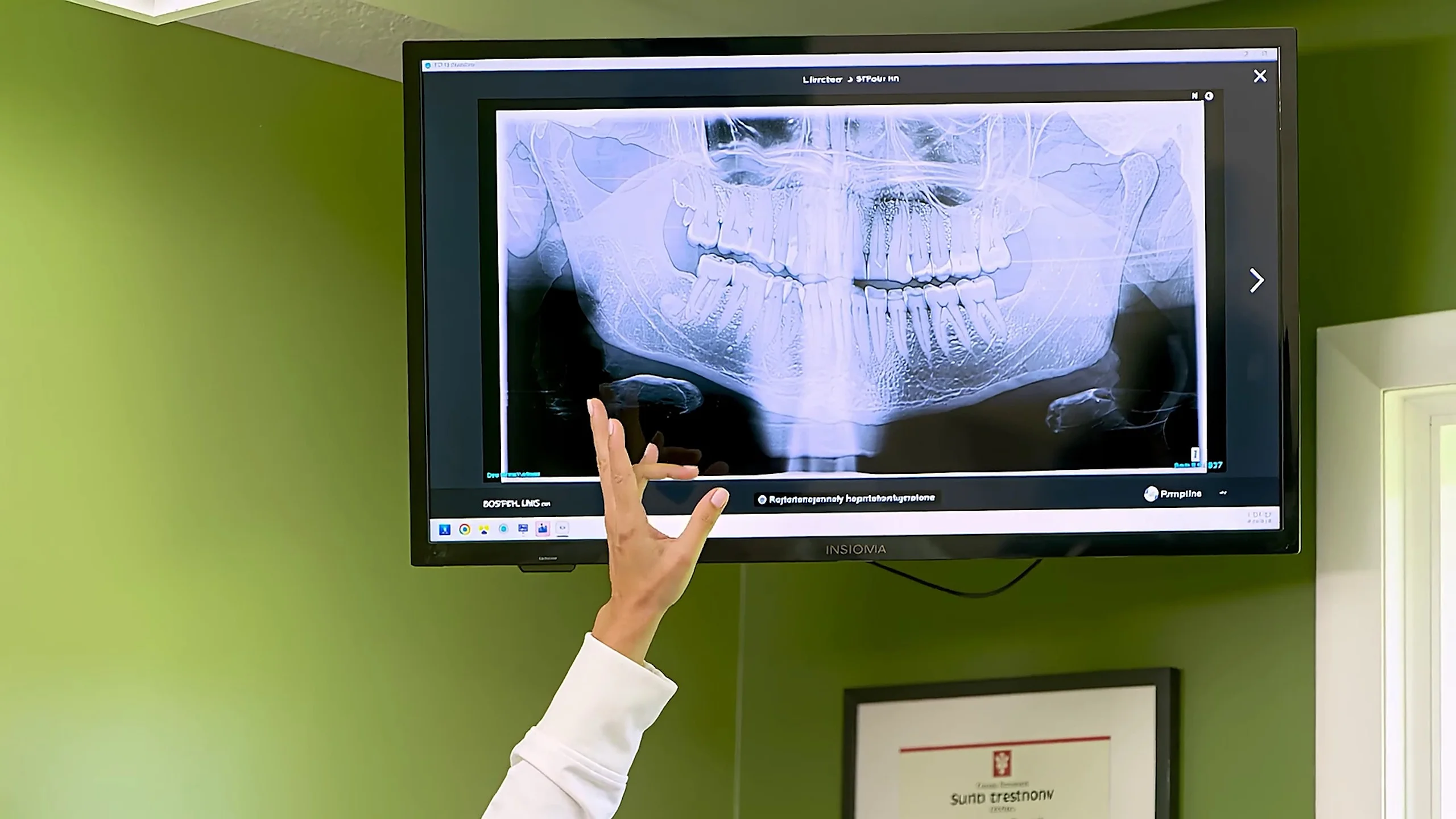
Fluoride Treatment
Fluoride is the most effective agent available to help prevent tooth decay.Xylitol – Reducing Cavities
Tooth decay is a common, yet preventable childhood problem.Tobacco Use
Tobacco use is one of the leading causes of death in society.Dental Health
Fillings are done to remove decay, and replace the affected tooth structure.Cleanings & Prevention
Prevention is a team effort between you, your dentist and our staff to stop dental disease before it starts, progresses or returns.Prophylaxis (Teeth Cleaning)
A dental prophylaxis is a cleaning procedure performed to thoroughly clean the teeth.

New patients welcome
Emergency calls and appointments are available and welcome, especially for new patients seeking help.