


Broadway Dentistry
Dr. Acosta reviewing a patient chart with her team at Broadway Dentistry, a general dentistry office in Fort Wayne, Indiana

Teeth Cleanings

Why prevention matters

Preventing dental disease starts at home with good oral hygiene and a balanced diet. It is continued in the dental office by the efforts of your dentist and dental hygienist to promote, restore, and maintain your oral health. Prevention also includes regular dental exams, cleanings, and x-rays. Sealants and fluoride are also great preventive treatments that help protect the teeth.

Your dental exam

A comprehensive dental exam will be performed by your dentist at your initial dental visit. At regular check-up exams, your dentist and hygienist will perform the following:

  • Examination of diagnostic X-rays (radiographs)Essential for detection of decay, tumors, cysts, and bone loss. X-rays also help determine tooth and root positions.
  • Oral cancer screeningCheck the face, neck, lips, tongue, throat, tissues, and gums for any signs of oral cancer.
  • Gum disease evaluationCheck the gums and bone around the teeth for any signs of periodontal disease.
  • Examination of tooth decayAll tooth surfaces will be checked for decay with special dental instruments.
  • Examination of existing restorationsCheck current fillings, crowns, etc.

Many health problems first present themselves to the dentist. Since a cleaning involves a thorough examination of the entire oral cavity, the dentist is able to screen for oral cancer, evaluate the risk of periodontitis and often spot signs of medical problems like diabetes and kidney problems.

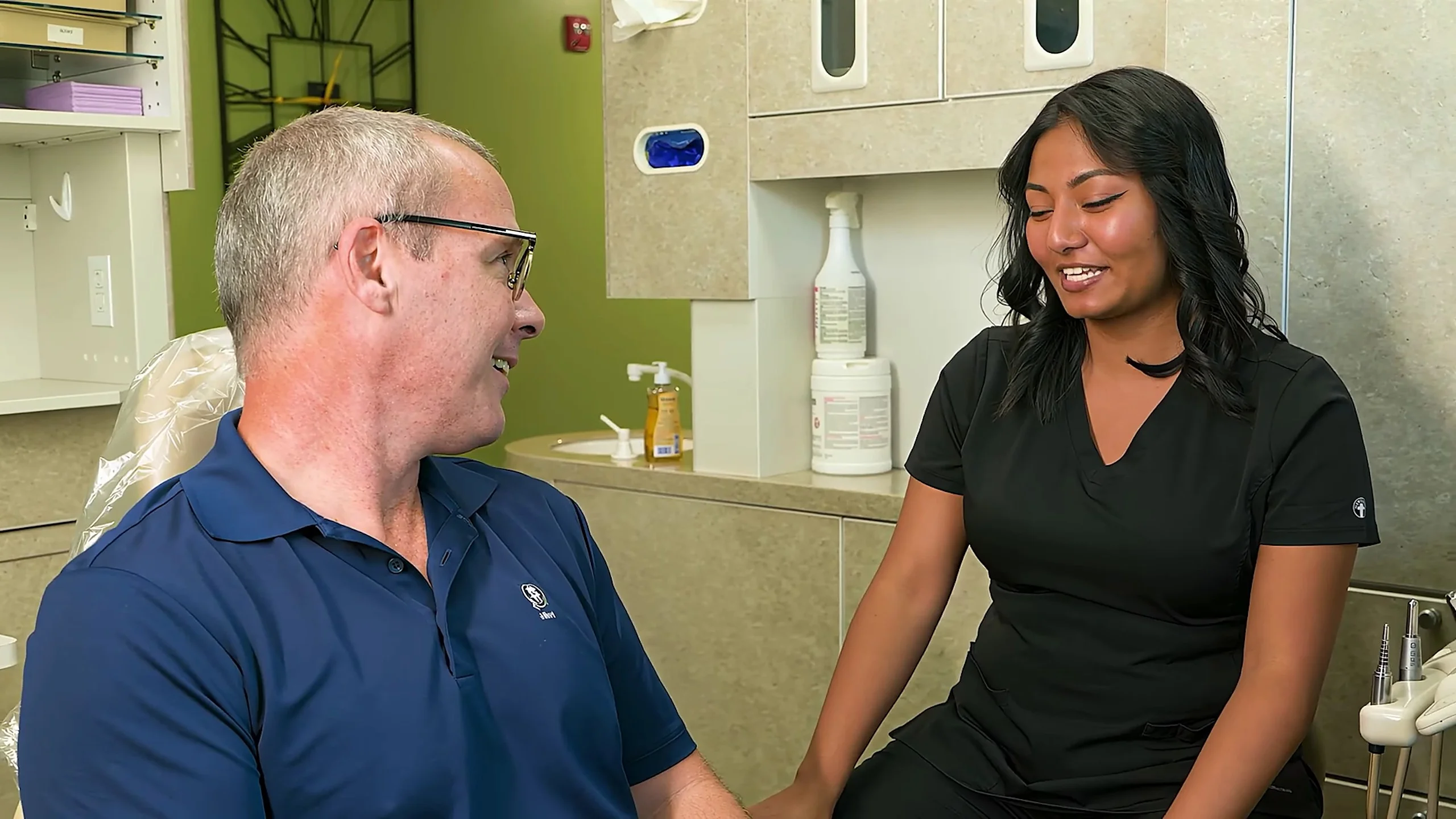
A patient talking with a team member in the chair during a dental exam visit at Broadway Dentistry in Fort Wayne

Your professional cleaning

Professional dental cleanings (dental prophylaxis) are usually performed by Registered Dental Hygienists. Your cleaning appointment will include a dental exam and the following:

  • Removal of calculus (tartar)Calculus is hardened plaque that has been left on the tooth for some time and is now firmly attached to the tooth surface. It forms above and below the gum line and can only be removed with special dental instruments.
  • Removal of plaquePlaque is a sticky, almost invisible film that forms on the teeth. It is a growing colony of living bacteria, food debris, and saliva. The bacteria produce toxins that inflame the gums, and this inflammation is the start of periodontal disease.
  • Teeth polishingRemoves stain and plaque that is not otherwise removed during tooth brushing and scaling.

Removing plaque, calculus and bacteria also freshens breath and lifts unsightly stains (teeth whitening goes further). Cleanings are recommended twice a year, or every 3–4 months for patients with periodontal disease (periodontal maintenance).

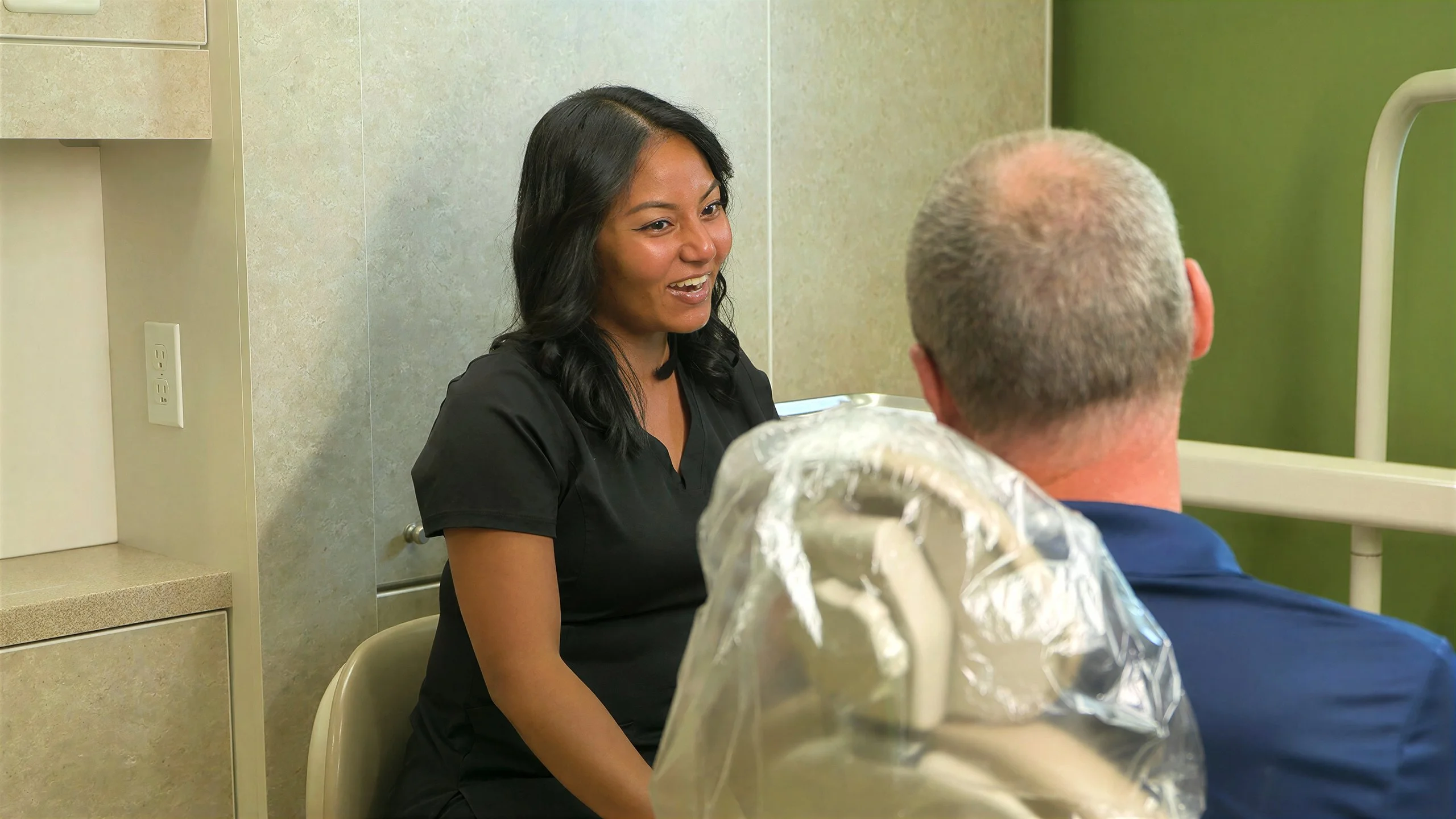
A Broadway Dentistry hygienist smiling as she talks with a patient in the chair before a cleaning in Fort Wayne

Dental X-rays

Dental radiographs (X-rays) are essential, preventative, diagnostic tools that provide valuable information not visible during a regular dental exam. Without X-rays, problem areas may go undetected. Dental X-rays may reveal:

Schedule an Appointment
  • Abscesses or cysts
  • Bone loss
  • Cancerous and non-cancerous tumors
  • Decay between the teeth
  • Developmental abnormalities
  • Poor tooth and root positions
  • Problems inside a tooth or below the gum line
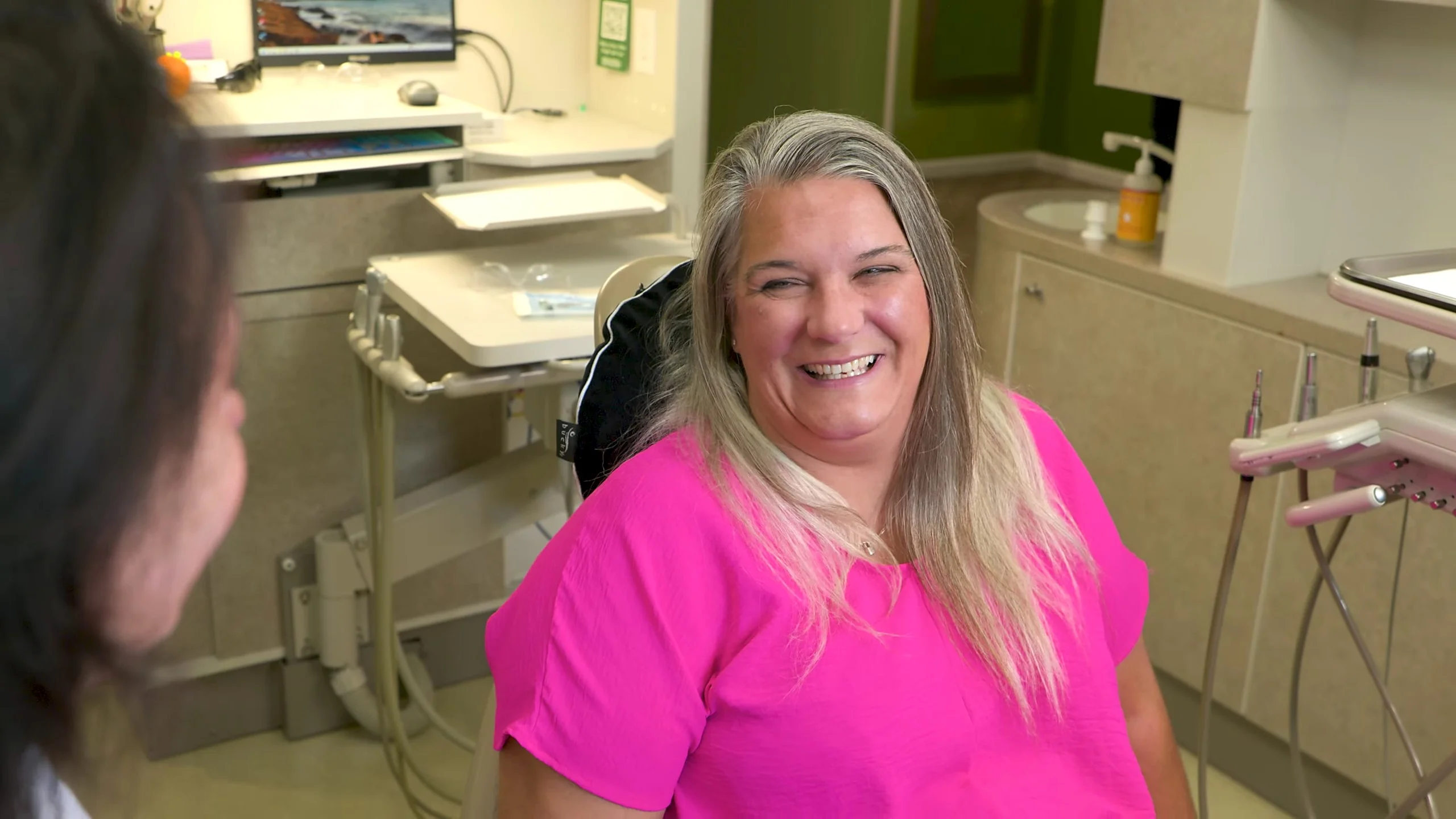
A smiling patient in the chair at Broadway Dentistry in Fort Wayne, which offers cosmetic dentistry and whitening

Fluoride treatment

Fluoride is the most effective agent available to help prevent tooth decay. Topical fluoride seeps into the outer surface of the tooth enamel, making teeth more resistant to decay, and children are generally recommended a professional application twice a year at check-ups. Your dentist or dental hygienist may also recommend home or professional fluoride treatments for:

  • Exposed and sensitive root surfaces
  • Fair to poor oral hygiene habits
  • Frequent sugar and carbohydrate intake
  • Recent history of dental decay
  • Inadequate saliva flow due to medical conditions, medical treatments or medications
  • Deep pits and fissures on the chewing surfaces of teeth

Remember, fluoride alone will not prevent tooth decay! It is important to brush at least twice a day, floss regularly, eat balanced meals, reduce sugary snacks, and visit your dentist on a regular basis.

Caring for your teeth at home

Brushing

The teeth should be brushed at least twice a day, ideally in the morning and before bed, with a small, soft-bristled toothbrush that is no more than three months old. See our guide to how to properly brush and floss.

  • Place the toothbrush at a 45-degree angle where the gums and teeth meet.
  • Use small circular motions to gently brush the gumline and teeth.
  • Do not scrub or apply too much pressure, as this can damage the gums and tooth enamel.
  • Brush every surface of every tooth: cheek-side, tongue-side, and chewing surfaces.
  • Brush the tongue to remove fungi, food, and debris.

Flossing

The areas between the teeth are difficult to reach with a toothbrush and should be cleaned with dental floss on a daily basis. The flavor and type of floss are unimportant; choose floss that will be easy and pleasant to use.

  • Cut a piece of floss to around 18 inches long and wrap the ends around your middle fingers.
  • Work the floss gently between the teeth toward the gum line.
  • Curve the floss in a U-shape around each tooth and carefully slide it beneath the gum line.
  • Do not pop the floss in and out between the teeth, as this will inflame and cut the gums.

Other aids

  • Interdental brushes
  • Oral irrigators
  • Rubber tip stimulators
  • Tongue cleaners

They can all help, but they should not be used instead of brushing and flossing. Learn more about oral hygiene aids.

Frequently Asked Questions

How often should dental X-rays be taken?

The need for dental X-rays depends on each patient's individual dental health needs. A full mouth series of dental X-rays is recommended for new patients and is usually good for three to five years. Bite-wing X-rays are taken at check-up visits and are recommended once or twice a year to detect new dental problems.

Are dental X-rays safe?

The amount of radiation exposure from a full mouth series of X-rays is equal to the amount a person receives in a single day from natural sources. Dental X-rays produce a low level of radiation and are considered safe, and precautions such as lead apron shields are used to limit exposure.

Which toothbrush is best?

Soft bristle toothbrushes are far less damaging to gum tissue than the medium and hard varieties. The American Dental Association has given electric toothbrushes their seal of approval, and those with rotating or oscillating heads are more effective than other toothbrushes.

What is xylitol, and does it help?

Xylitol is a natural substance found in a variety of fruits and vegetables, and is also available as a sugar substitute and a gum. It works to neutralize the acids that attack tooth enamel and stimulates saliva production. Chewing xylitol gum can help reduce the threat of new cavities.

New patients welcome

Emergency calls and appointments are available and welcome, especially for new patients seeking help.