

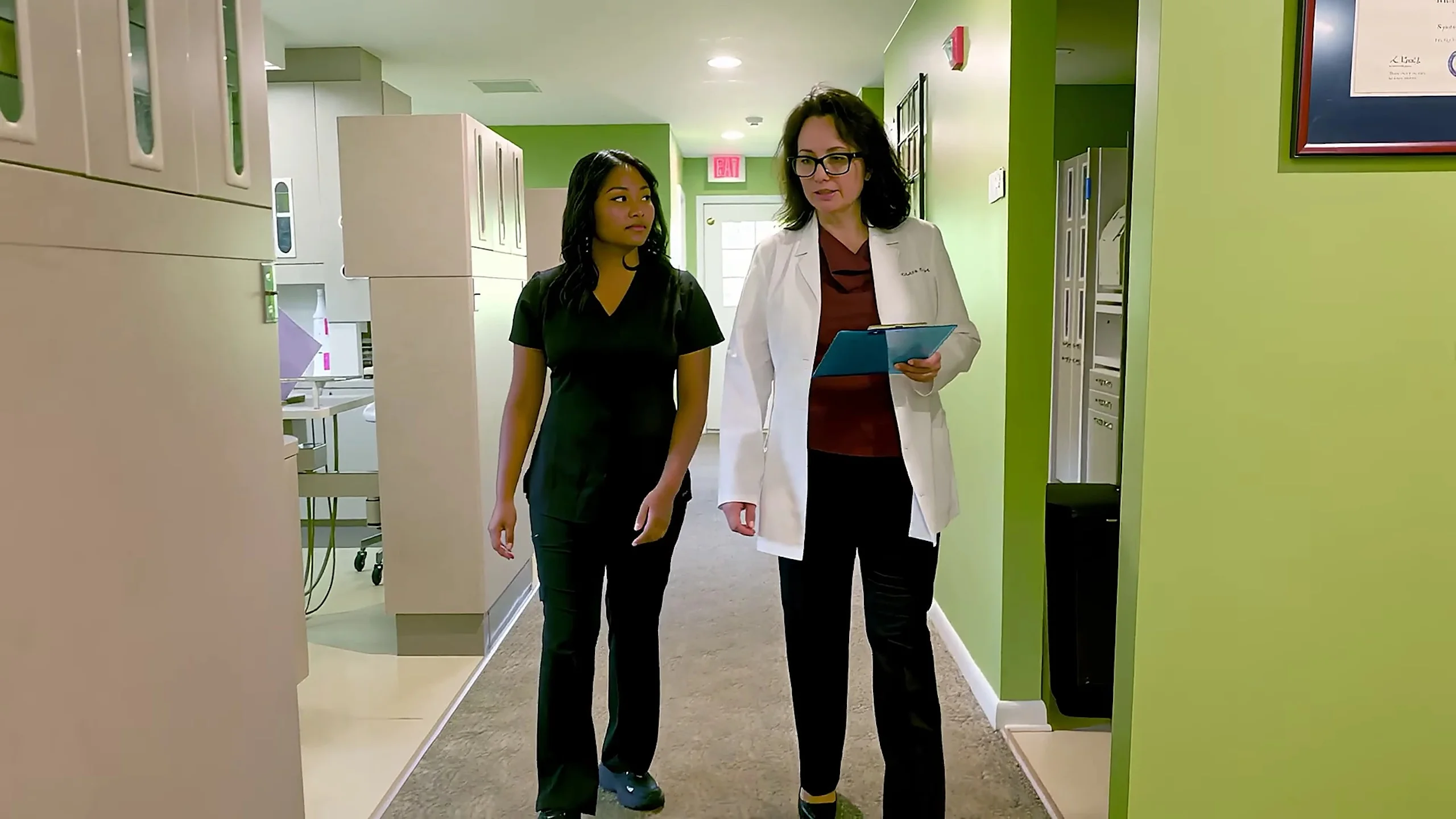
Sleep Apnea and Snoring
Quieter nights, better sleep
Snoring is not normal and is linked to an increased risk for cardiovascular disease, dementia, depression, and high blood pressure. The two most common sleep disorders are insomnia and obstructive sleep apnea. Sleep and breathing disorders can affect people of all ages.
What is sleep apnea?
Obstructive sleep apnea happens when the muscles in the throat relax during sleep and soft tissue blocks the airway. Breathing stops and starts, sometimes hundreds of times a night, and each pause briefly wakes the brain to restart it, usually without you remembering. Loud snoring is often the first sign, as air squeezes past the narrowed airway.
- Loud, frequent snoringOften noticed first by a partner.
- Pauses in breathingGasping or choking during sleep.
- Daytime tirednessEven after a full night in bed.
- Morning headachesWith a dry mouth or sore throat on waking.
- Trouble concentratingAlong with irritability or mood changes.
Why it shouldn’t be ignored
Untreated sleep apnea strains the body night after night. It is linked to high blood pressure, heart disease, stroke and type 2 diabetes, and daytime sleepiness raises the risk of accidents at work and on the road. Teeth grinding often goes along with it; see TMJ Pain / TMD / Bite Guard.
Getting a diagnosis
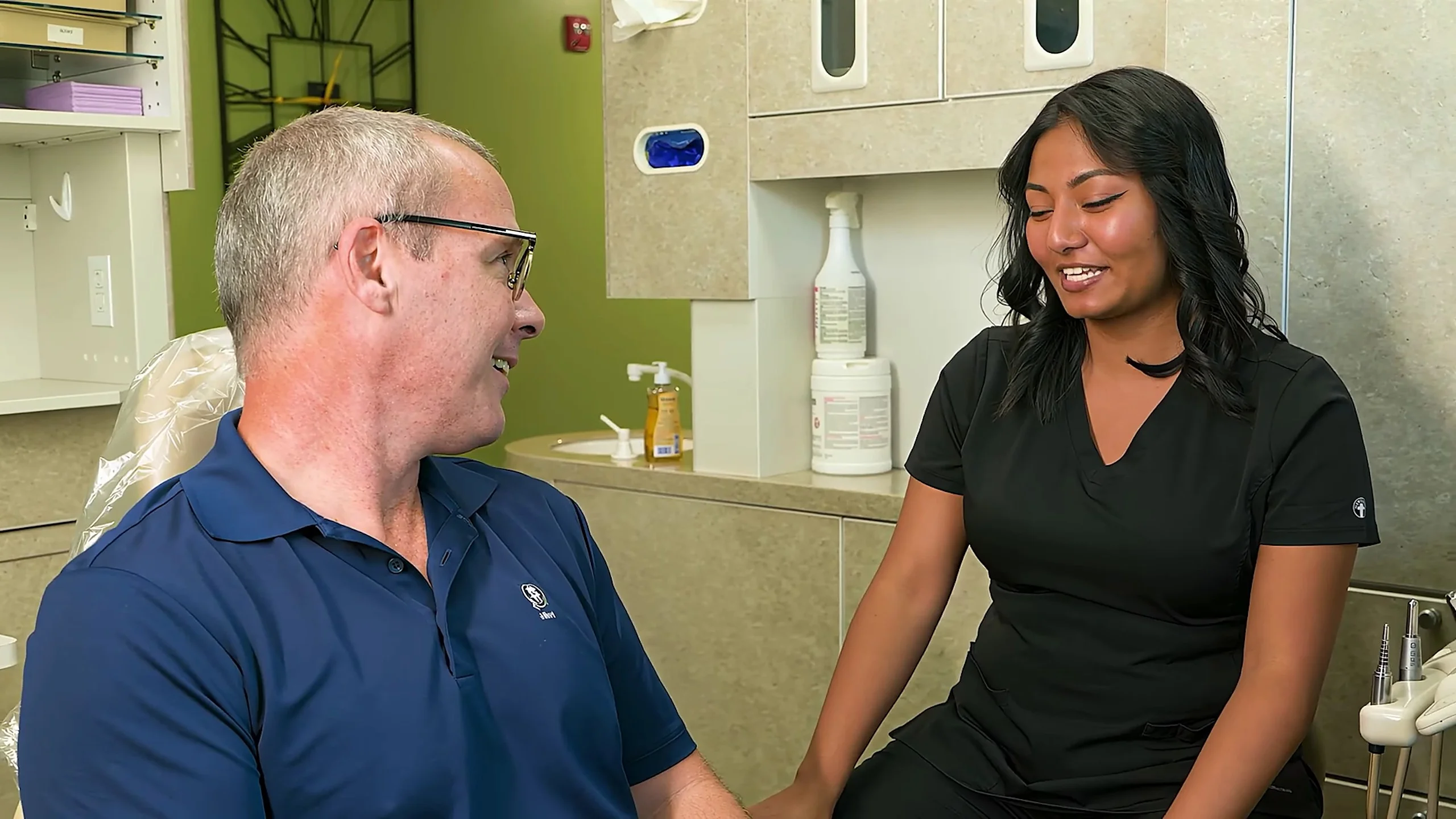
Sleep apnea is diagnosed with a sleep study, ordered by a physician and done overnight at a sleep center or at home with a portable monitor. Common treatments include a CPAP machine, a custom oral appliance that holds the lower jaw forward, and lifestyle changes. If you or your partner notice any of the signs above, mention them at your next dental visit.
New patients welcome
Emergency calls and appointments are available and welcome, especially for new patients seeking help.