

How to Prevent Cavities
Patient educationHow to Prevent Cavities
Childhood cavities (also called childhood tooth decay or caries) are common worldwide and have two main causes: poor dental hygiene and sugary diets. A balanced diet, a sound home care routine and pediatric dental visits twice a year are key to preventing them.
What causes cavities?
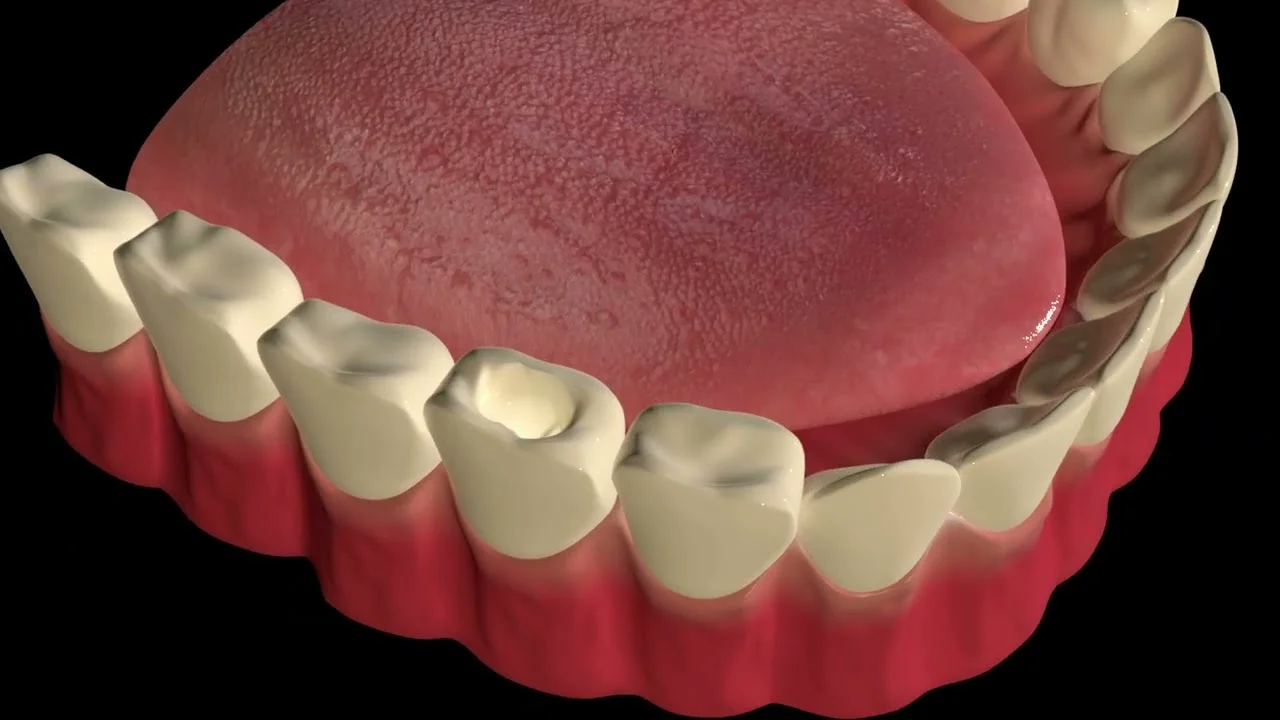
Untreated cavities can be very painful and lead to tooth decay and childhood periodontitis. After eating, sugars and carbohydrates (like those in white bread) collect on the teeth and plaque forms. Bacteria in the plaque feed on the sugar and release acid that weakens the enamel and, if left, erodes deeper into the tooth.
Although primary (baby) teeth are eventually lost, they do important work and need protecting. Children should brush and floss at least twice a day and have cleanings twice a year; the dentist may also apply a sealant or provide fluoride supplements.

How will I know if my child has a cavity?
Large cavities can be extremely painful, while tiny ones, or those between the teeth, may not be felt or seen. Dental X-rays and the dentist’s trained eye find even the smallest cavities before they worsen. If your child has any of these symptoms, see the dentist promptly; waiting makes the problem worse and can cost a tooth that could have been saved.
- Sensitivity to cold or warm foods
- Waking and crying at night
- Pain
- Sensitivity to spicy foods
- Toothache
How can I prevent cavities at home?
- Analyze the dietSwap sugary or starchy snacks for natural foods and soda for water.
- Cut the snacksSave sugar and starch for mealtimes, when saliva flows more, and make sure your child drinks enough water to rinse the teeth.
- Lose the sippy cupUsed past about twelve months, it keeps sugary liquid swirling around the teeth and can cause “baby bottle tooth decay”.
- Avoid stickinessSticky foods like toffee form plaque quickly and are hard to remove.
- Rinse the pacifierParents can pass oral bacteria to a baby, so rinse a dirty pacifier under running water instead of sucking it clean.
- Drinks at bedtimeMilk, formula, juice or sweetened water left in a bedtime bottle or sippy cup sits on the teeth all night; give the last drink before bed, then brush.
- Don’t sweeten the pacifierComfort a cranky child with a blanket, toy or hug, not honey.
- Brush and flossBrush and floss your child’s teeth twice a day until age seven; younger children can’t clean every area well.
- Check on fluorideFluoride strengthens enamel, but too much or too little can harm the teeth, so ask the dentist for an assessment.
- Keep to appointmentsThe AAPD recommends a first dental visit around the first birthday, then a regular schedule.
If you have questions about cavity prevention, please contact our office.
Broadway Dentistry - Tooth Cavity Filling
A short video from our office.
Oral Hygiene Aids
Regular dental check ups are essential for maintaining excellent oral hygiene and diagnosing potential problems, but they are not a “fix-all” solution.Fluoride
Fluorine, a natural element in the fluoride compound, has proven to be effective in minimizing childhood cavities and tooth decay.Fluoride Treatment
Fluoride is the most effective agent available to help prevent tooth decay.Xylitol – Reducing Cavities
Tooth decay is a common, yet preventable childhood problem.Tobacco Use
Tobacco use is one of the leading causes of death in society.Dental Health
Fillings are done to remove decay, and replace the affected tooth structure.

New patients welcome
Emergency calls and appointments are available and welcome, especially for new patients seeking help.