

Fluoride Treatment in Fort Wayne
Patient educationFluoride Treatment
Fluoride is the most effective agent available to help prevent tooth decay. It is a mineral found naturally in almost all foods and water supplies, and its benefits have been well known for over 50 years and are supported by many health and professional organizations.
How fluoride works
- Topical fluorideSeeps into the enamel of erupted teeth, making them more resistant to decay. It comes from fluoride toothpaste, mouth rinses and gels, and children are generally advised to have a professional application twice a year at dental check-ups.
- Systemic fluorideStrengthens erupted teeth and those still developing under the gums. It comes from most foods and community water, and as drops (generally for infants) or tablets (for children through the teen years) prescribed by your dentist or physician.
Monitor how much fluoride a child swallows: too much while the teeth are developing can cause fluorosis (white spots on the teeth).
When extra fluoride helps
Food and water are sometimes not enough to prevent decay. Your dentist or hygienist may recommend home or professional fluoride treatments for:
Fluoride alone will not prevent tooth decay. Brush at least twice a day, floss regularly, eat balanced meals, cut back on sugary snacks and see your dentist regularly.
- Deep pits and fissures on chewing surfaces
- Exposed, sensitive root surfaces
- Fair to poor oral hygiene habits
- Frequent sugar and carbohydrate intake
- Too little fluoride exposure
- Low saliva flow from medical conditions, treatments or medications
- Recent tooth decay
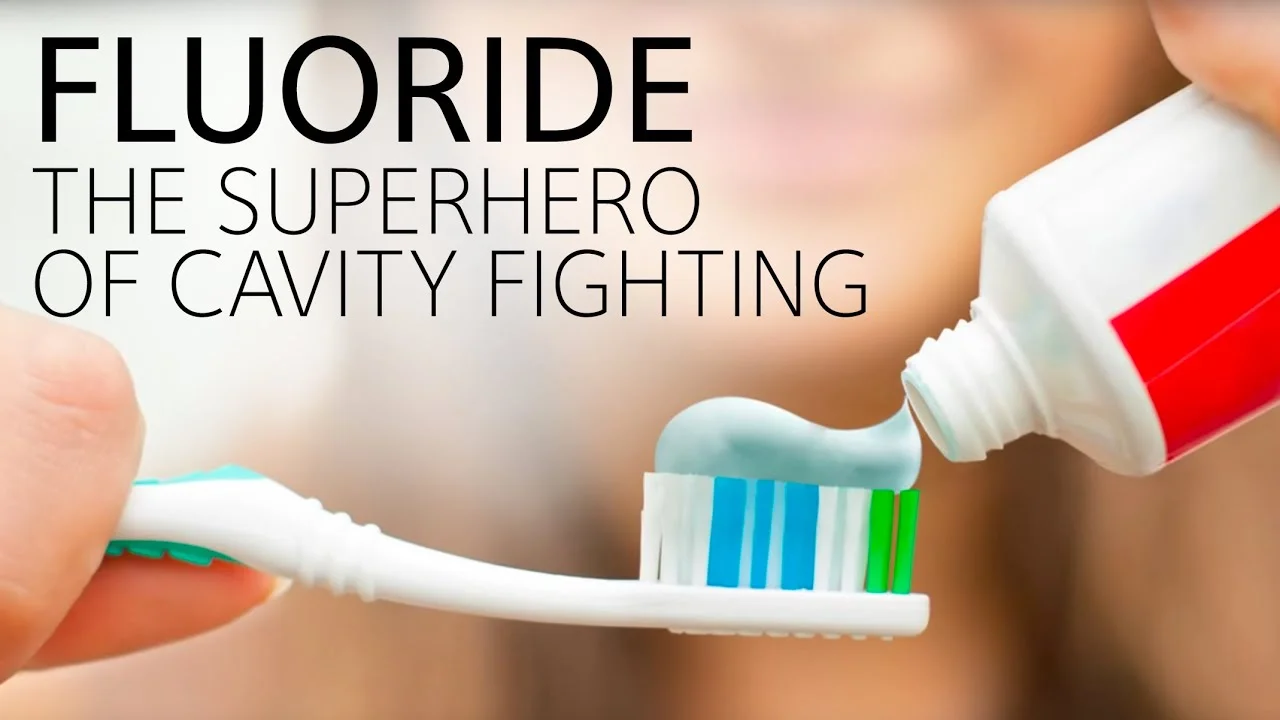
Fluoride: The Superhero of Cavity Fighting
A short video from the American Dental Association.
Xylitol – Reducing Cavities
Tooth decay is a common, yet preventable childhood problem.Tobacco Use
Tobacco use is one of the leading causes of death in society.Dental Health
Fillings are done to remove decay, and replace the affected tooth structure.Cleanings & Prevention
Prevention is a team effort between you, your dentist and our staff to stop dental disease before it starts, progresses or returns.Prophylaxis (Teeth Cleaning)
A dental prophylaxis is a cleaning procedure performed to thoroughly clean the teeth.Dental X-Rays
Dental radiographs (X-rays) are essential, preventative, diagnostic tools that provide valuable information not visible during a regular dental exam.
New patients welcome
Emergency calls and appointments are available and welcome, especially for new patients seeking help.