

Prophylaxis (Teeth Cleaning) in Fort Wayne
Patient educationProphylaxis (Teeth Cleaning)
A dental prophylaxis is a thorough cleaning of the teeth that helps keep the mouth healthy and halts the progression of periodontal disease and gingivitis. These develop when plaque bacteria colonize the gum tissue above or below the gum line, triggering chronic inflammation that destroys gum and bone, so teeth shift, loosen or fall out. Deepening pockets hold more bacteria, which may travel through the bloodstream to other parts of the body.
Benefits of prophylaxis
- Tartar removalTartar (calculus) and plaque above and below the gum line cause serious periodontal problems. Even the best brushing and flossing cannot clear gum pockets; that takes a dentist’s eye and specialized equipment.
- AestheticsRemoves yellowing and stains so you can feel confident in your smile.
- Fresher breathPersistent bad breath (halitosis) often signals gum disease, caused by rotting food below the gum line and periodontal problems. Removing plaque, calculus and bacteria noticeably improves breath and eases irritation.
- Identification of health issuesThe exam lets the dentist screen for oral cancer, assess periodontitis risk, spot signs of conditions like diabetes and kidney problems, and suggest changes to your home care.
What prophylaxis involves
Prophylaxis is usually done at a regular dental visit. It generally has several stages:
- Supragingival cleaningScaling plaque and calculus from above the gum line.
- Subgingival cleaningRemoving calculus from the gum pockets and below the gum line, the most important step for periodontal disease.
- Root planingSmoothing the tooth root to remove remaining bacteria, which are especially dangerous for people with periodontitis.
- MedicationAfter scaling and root planing, an antibiotic or antimicrobial cream is often placed in the pockets to speed healing and ease discomfort.
- X-ray and examinationRoutine X-rays show the extent of bone and gum recession and areas that may need future attention.
How often
Prophylaxis is recommended twice a year for prevention, and every 3–4 months for people with periodontitis. Gum disease cannot be completely reversed, but prophylaxis is an effective way to halt it. If you have questions about prophylaxis or periodontal disease, please contact our office.
Dental Check-ups
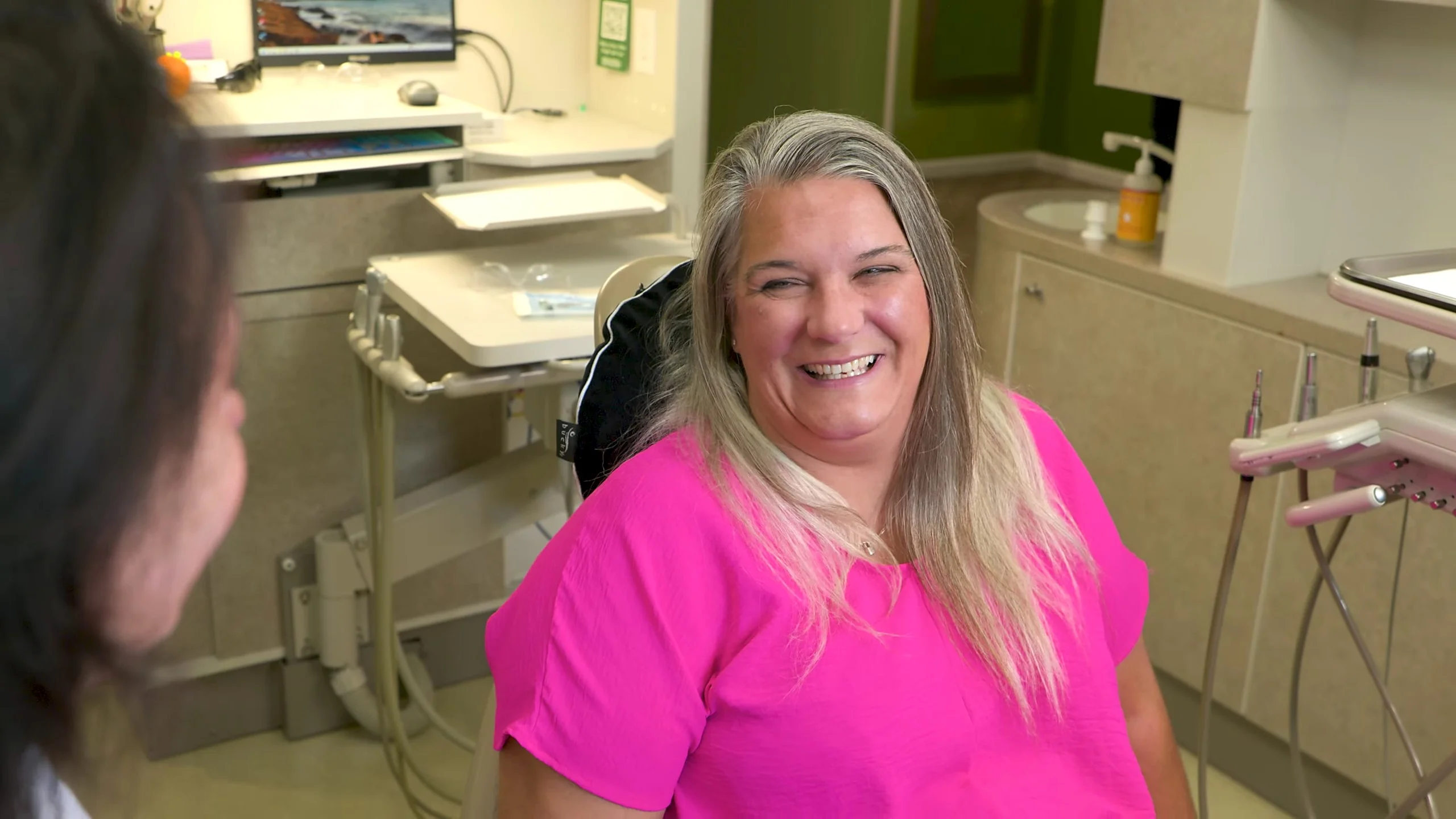
A short video from the American Dental Association.
Dental X-Rays
Dental radiographs (X-rays) are essential, preventative, diagnostic tools that provide valuable information not visible during a regular dental exam.How to Properly Brush and Floss
Brushing and flossing are of paramount importance to oral hygiene.How to Prevent Cavities
Childhood cavities, also known as childhood tooth decay and childhood caries, are common in children all over the world.Oral Hygiene Aids
Regular dental check ups are essential for maintaining excellent oral hygiene and diagnosing potential problems, but they are not a “fix-all” solution.Fluoride
Fluorine, a natural element in the fluoride compound, has proven to be effective in minimizing childhood cavities and tooth decay.Fluoride Treatment
Fluoride is the most effective agent available to help prevent tooth decay.
New patients welcome
Emergency calls and appointments are available and welcome, especially for new patients seeking help.