


Types of Periodontal Disease
Patient educationTypes of Periodontal Disease
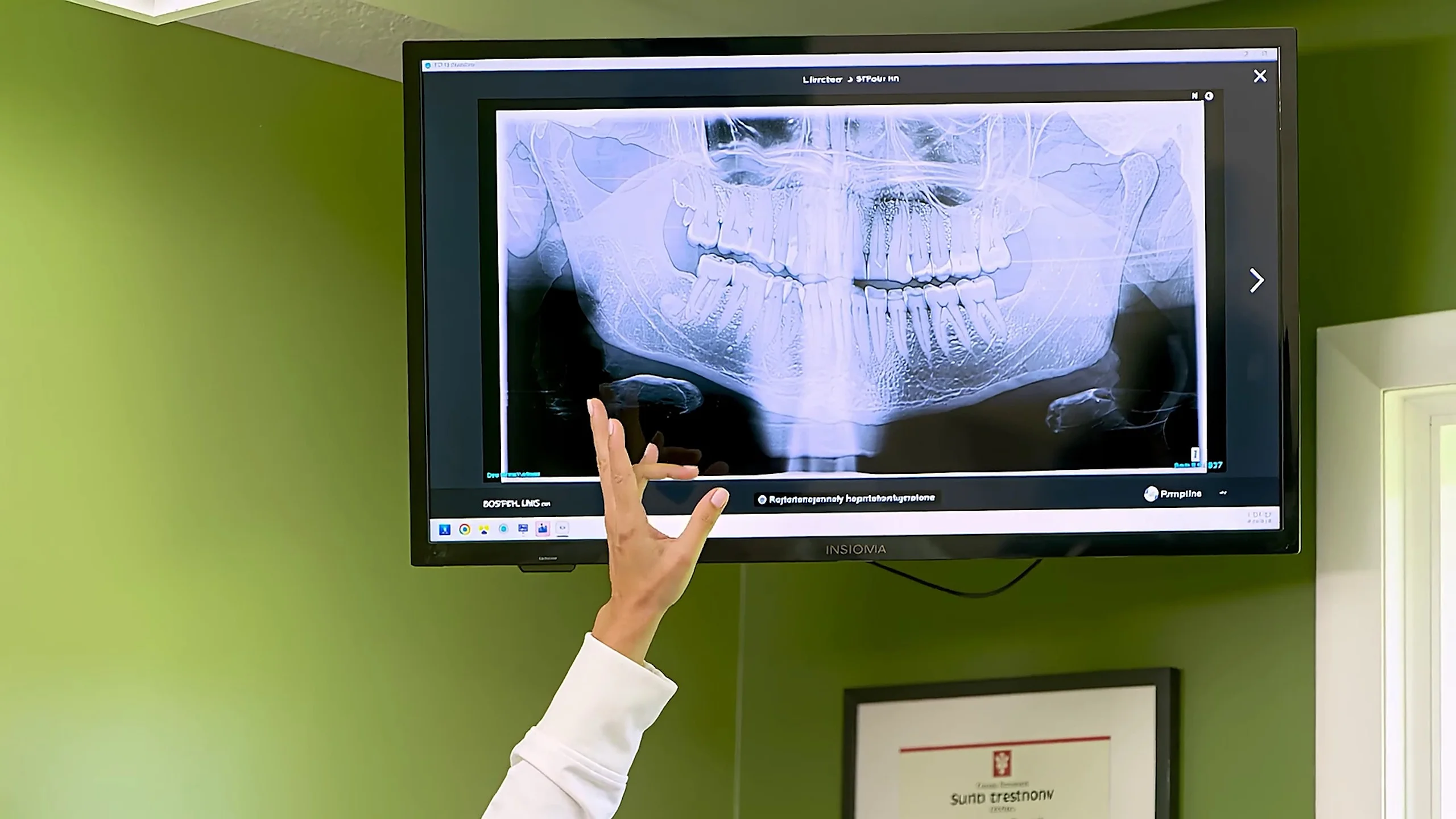
Periodontal disease (periodontitis, or gum disease) is a progressive disease of the gums, the tissue that supports the teeth, and the underlying jawbone. Untreated, it loosens teeth and can cause tooth loss; it is the leading cause of adult tooth loss in the developed world.
How it develops
Toxins in plaque attack the gum tissue around the teeth, and bacteria embed and multiply there, causing infection and inflammation. The body responds by destroying the infected tissue, so the gums appear to recede and the pockets between teeth and gums deepen. Without treatment the jawbone recedes too, leaving teeth unstable. Every type needs prompt treatment by your dentist, or a periodontist they refer you to, to save the gum tissue and bone.

Gingivitis
The mildest and most common form, caused by plaque toxins. Pregnant women, women on birth control pills, people with uncontrolled diabetes, steroid users, and people taking medication for seizures or blood pressure are at higher risk.
Treatment: Gingivitis is easily reversed with good home care and professional cleaning. The dentist may also clean the pockets with deep scaling and root planing, and use antibiotics and medicated mouthwash to kill remaining bacteria and help them heal.

Chronic and aggressive periodontal disease
Chronic periodontal disease is the most common form and much more frequent after age 45. Inflammation below the gum line steadily destroys gum and bone, so teeth seem to grow longer as the gums recede. Aggressive periodontal disease is essentially the same, but it progresses much faster, with rapid loss of gum attachment and bone, and tends to run in families. Smokers and those with a family history are at higher risk.
Treatment: Lost supporting tissue can’t be rebuilt, so chronic disease can’t be completely cured, but scaling and root planing with antimicrobial treatment can halt it. A periodontist may add pocket reduction surgery or tissue grafts to strengthen bone and improve appearance. Aggressive disease uses the same treatments and is harder to halt and far more likely to need surgery.

Other types
Periodontal disease relating to systemic conditions can be a symptom of a condition elsewhere in the body and may destroy tissue as quickly as aggressive disease, even with little plaque. Heart disease, diabetes and respiratory disease are the most common cofactors. The underlying condition must be controlled first; the dentist then uses the same treatments as above.
Necrotizing periodontal disease is extremely rare and worsens rapidly, causing tissue death (necrosis) in the periodontal ligament, gums and bone. It is more common with HIV, immunosuppression, malnutrition, chronic stress or smoking. The dentist will likely consult a physician first, then treat with scaling, root planing, antibiotic pills, medicated mouthwash and fungicidal medicines.
If you have any questions or concerns about the different types of periodontal disease and treatments, please contact our office.
Periodontics
A short video from the American Dental Association.

Periodontal Disease Diagnoses
Periodontal disease is diagnosed by your dentist or dental hygienist during a periodontal examination.Diagnosis
Periodontal disease is diagnosed during a periodontal exam, which should always be part of your regular dental check-up.Treatment
Periodontal treatment depends on the type and severity of the disease. Your dentist and hygienist will recommend the right treatment.Periodontal Treatment
Periodontal treatment methods depend upon the type and severity of the disease.Periodontal Maintenance
It only takes twenty four hours for plaque that is not removed from your teeth to turn into calculus (tartar)!What is a Periodontist?
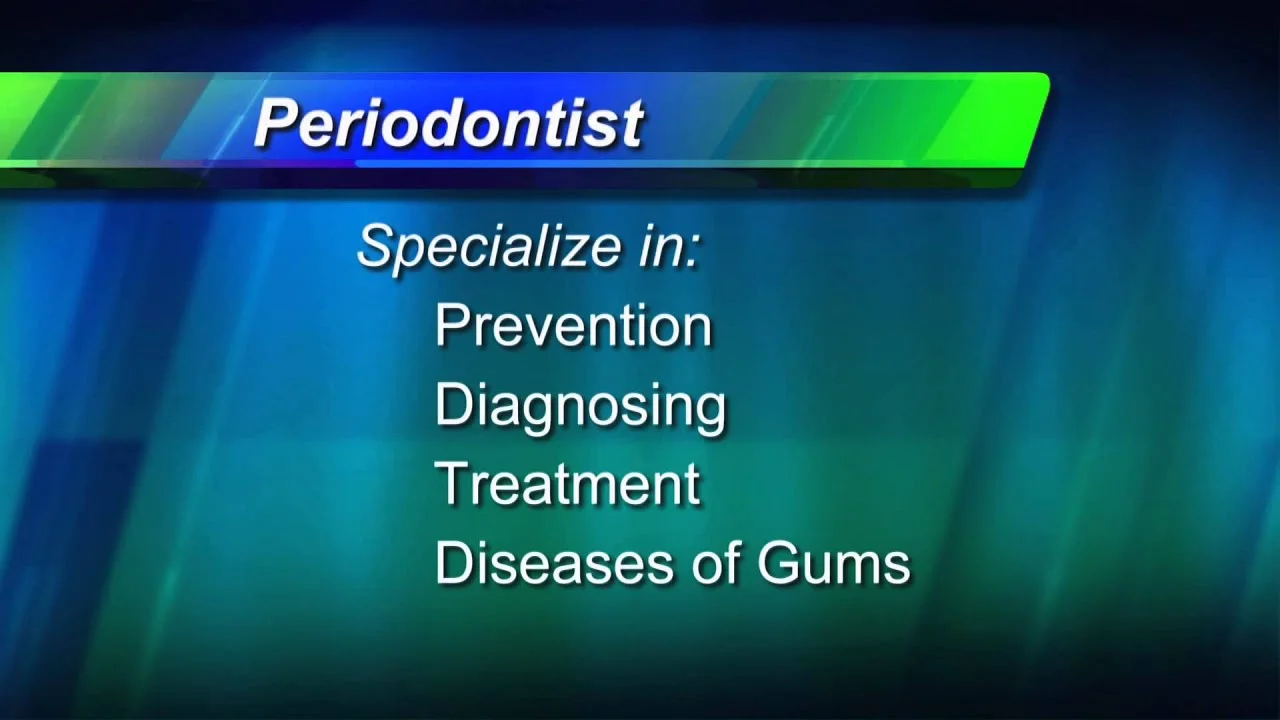
A periodontist is a dentist who specializes in the soft tissues of the mouth and the underlying jawbone which supports the teeth.
New patients welcome
Emergency calls and appointments are available and welcome, especially for new patients seeking help.