


Gum Disease, Heart Disease and Stroke
Patient educationGum Disease, Heart Disease and Stroke
Researchers have found that people with gum disease are nearly twice as likely to have coronary heart disease, and that oral infection is a risk factor for stroke: people diagnosed with acute cerebrovascular ischemia were more likely to have some degree of periodontal disease.
Gum disease and heart disease
Periodontal disease is a progressive infection of the gum tissue. Plaque bacteria colonize above, then below the gumline, pulling the tissue away from the teeth. Untreated, deep pockets form and the jawbone is destroyed, so teeth shift, wobble or come loose.
Coronary heart disease occurs when the coronary artery walls thicken with fatty protein buildup, so the heart gets too little oxygen and works harder to pump blood. Blood clots can block flow and starve the heart of nutrients and oxygen, often leading to heart attacks.

Reasons for the connection
Periodontal disease can worsen existing heart conditions, and the dentist or periodontist and cardiologist generally treat patients with both as a team. Theories for the link include:
- Oral bacteria affect the heartSome strains of periodontal bacteria may enter the bloodstream, attach to fatty plaques in the coronary arteries and contribute to dangerous clots.
- InflammationGum disease raises the white blood cell count and high sensitivity C-reactive protein levels, which research has linked to heart disease.
- Infectious susceptibilityPeople with very high levels of oral bacteria may have weaker immune systems and a poor inflammatory response, which may trigger vascular effects linked to some forms of heart disease.

Diagnosis and treatment
Because periodontal disease appears to be a risk factor for heart attack and stroke, seek treatment promptly. The dentist examines the teeth, gums and jawbone, and X-rays help show bone loss in the jaws. Deep cleaning such as scaling and root planing removes hardened calculus (tartar) from the gum pockets, and an antibiotic may be prescribed to stop the infection spreading.
In most cases, periodontal disease can be prevented with regular cleanings and proper home care. If you have questions about periodontal disease, heart disease and stroke, please contact our office.
Lifestyle & Your Oral Health
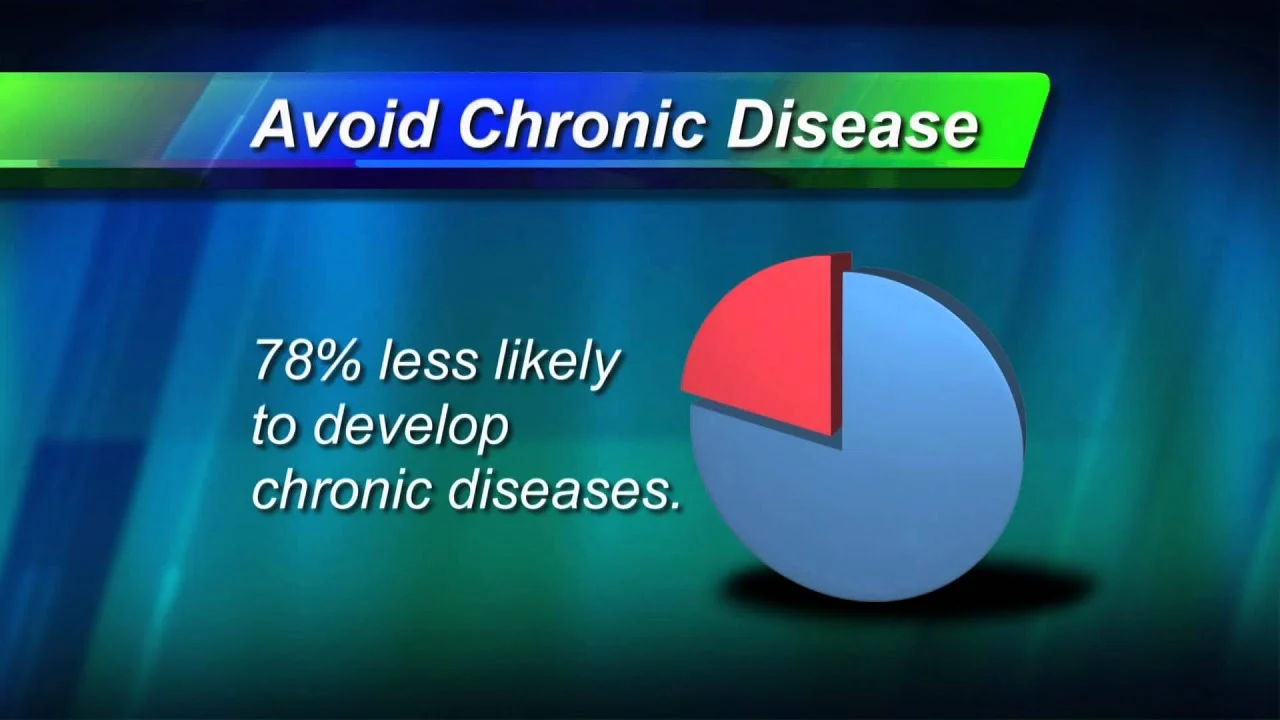
A short video from the American Dental Association.

Periodontal Disease and Diabetes
It is well documented that people who suffer from diabetes are more susceptible to developing infections than non-diabetes sufferers.Periodontal Disease and Osteoporosis
Periodontal disease is characterized by a progressive loss of supportive gingival tissue in the gums and jawbone.Gum Disease and Respiratory Disease
Periodontal disease (also called periodontitis and gum disease) has been linked to respiratory disease through recent research studies.Periodontal Disease and Pregnancy
Periodontal disease in expectant mothers carries risks for the unborn child, particularly if the mother also has diabetes.Perinatal and Infant Oral Health
Good oral health during pregnancy matters for your baby too. Gum disease is linked with premature birth, low birth weight and preeclampsia.Bruxism
Bruxism refers to an oral parafunctional activity that occurs in most humans at some point in their lives.

New patients welcome
Emergency calls and appointments are available and welcome, especially for new patients seeking help.