

Periodontal Disease and Osteoporosis
Patient educationPeriodontal Disease and Osteoporosis
Periodontal disease is the progressive loss of supporting gum tissue and jawbone, and the number one cause of adult tooth loss in the developed world. Many studies have found a connection between it and osteoporosis.
Two diseases that affect bone
Periodontal disease starts when plaque toxins inflame the soft tissue around the teeth; left untreated, the bacteria destroy the gums and then the underlying bone. Osteoporosis is a common metabolic bone disease, frequent in postmenopausal women and less so in men, marked by fragile bones, low bone mass and lower bone mineral density. A 1995 study at the University of New York at Buffalo found that post-menopausal women with osteoporosis were 86% more likely to also develop periodontal disease.

Reasons for the connection
Research is ongoing, but so far it points to:
- Estrogen deficiencyIt accompanies menopause and speeds oral bone loss and attachment loss (destruction of the fibers and tissue that keep teeth stable).
- Low bone mineral densityOne of several causes of osteoporosis; inflammation from periodontal disease makes weakened bone break down faster, so periodontitis can progress more quickly.
Diagnosis and treatment
Both diseases are much less dangerous when caught early. After diagnosis, the dentist generally works with the patient’s doctor to keep both under control.
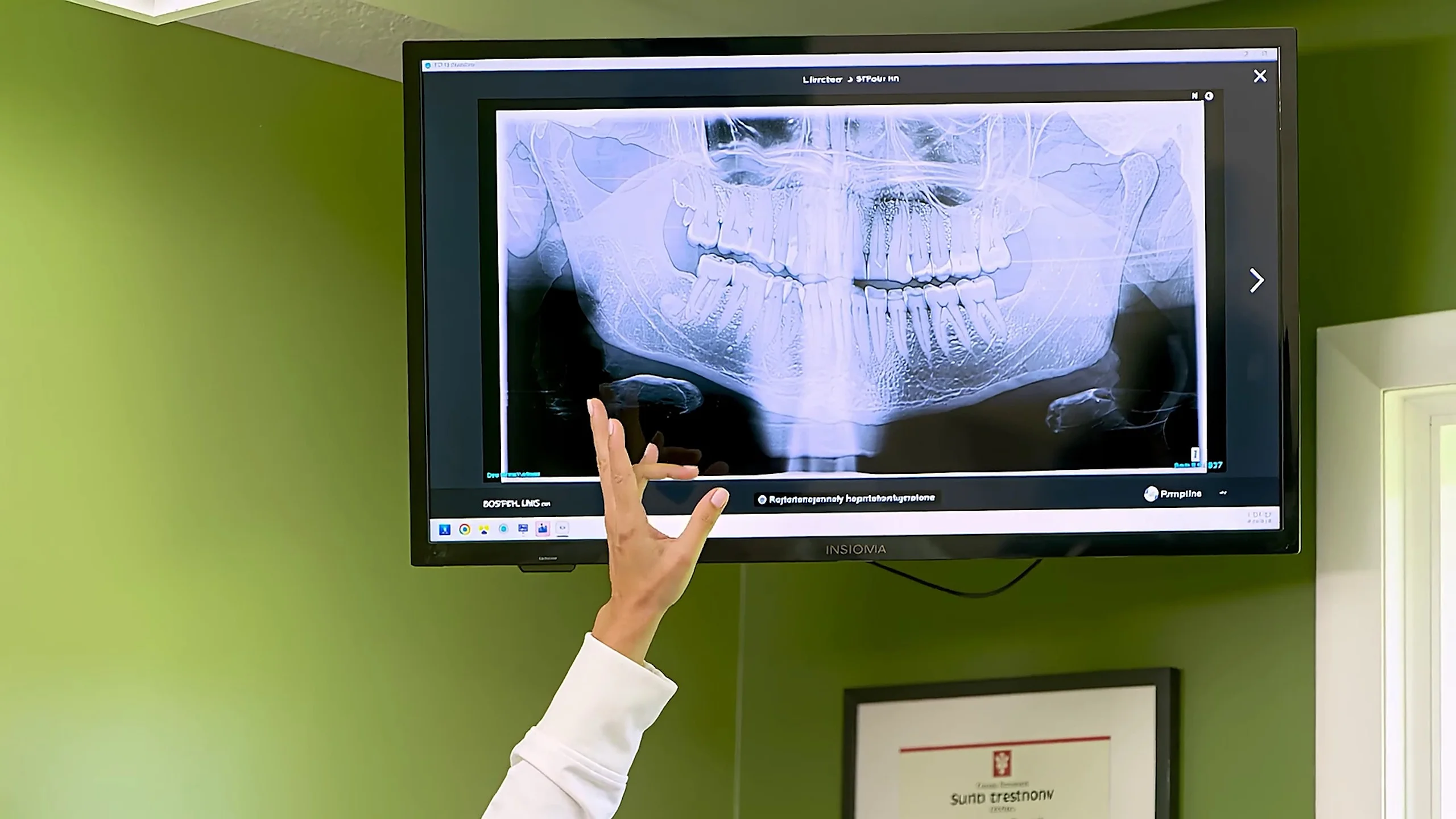
- Routine dental X-raysX-rays screen for bone loss in the jaws so the dentist can prevent and treat periodontal disease, which is believed to help treat osteoporosis.
- Estrogen supplementsFor post-menopausal women, these lower attachment loss and gum inflammation, protecting teeth from periodontal disease.
- Assessment of risk factorsDentists and doctors monitor at-risk patients using family and medical history, X-rays and medications. Tobacco use, obesity, poor diet and estrogen deficiency can be managed with education, support and prescription medications.
If you have questions about periodontal disease and osteoporosis, please contact our office.
Aging & Your Oral Health
A short video from the American Dental Association.

Gum Disease and Respiratory Disease
Periodontal disease (also called periodontitis and gum disease) has been linked to respiratory disease through recent research studies.Periodontal Disease and Pregnancy
Periodontal disease in expectant mothers carries risks for the unborn child, particularly if the mother also has diabetes.Perinatal and Infant Oral Health
Good oral health during pregnancy matters for your baby too. Gum disease is linked with premature birth, low birth weight and preeclampsia.Bruxism
Bruxism refers to an oral parafunctional activity that occurs in most humans at some point in their lives.What is Periodontal (Gum) Disease?
Periodontal disease is a common inflammatory condition of the gums that, in its most advanced stages, affects the jawbone itself.Periodontal Disease
Periodontal disease attacks the gums and bone that support the teeth, and shows as red, swollen and bleeding gums.
New patients welcome
Emergency calls and appointments are available and welcome, especially for new patients seeking help.