


Periodontal Disease and Diabetes
Patient educationPeriodontal Disease and Diabetes
People with diabetes are more prone to infections than people without it. Less well known is that periodontal disease is often considered the sixth complication of diabetes, particularly when diabetes is not well controlled.
Two progressive conditions
Periodontal disease (also called periodontitis or gum disease) often leads to tooth loss if not treated promptly. It begins as a bacterial infection of the gums; as bacteria colonize, pockets deepen, gums recede and the infection attacks the bone. Diabetes means too much glucose (sugar) in the blood: type II diabetics can’t regulate insulin, and type I diabetics produce none. It can lead to heart disease and stroke.

Reasons for the connection
Experts suggest that if either condition is poorly controlled, it can worsen the other.
- Increased blood sugarModerate and severe periodontal disease raises blood sugar, making it harder for diabetics to control; higher sugar in the mouth in turn feeds the bacteria behind gum infection.
- Blood vessel thickeningDiabetes thickens blood vessels so they can’t deliver nutrients and remove waste, leaving harmful waste in the mouth that weakens gum tissue.
- SmokingTobacco use slows healing and greatly raises the risk of periodontal disease; diabetic smokers aged 45 and over are twenty times more likely to develop it.
- Poor oral hygieneWithout daily brushing and flossing, bacteria feed on sugar between the teeth and colonize below the gum line, worsening diabetic metabolic problems.

Diagnosis and treatment
Anyone with diabetes should see the dentist at least twice a year for checkups and professional cleanings. Studies show simple non-surgical periodontal treatment can lower HbA1c (a hemoglobin blood test) by as much as 20% in six months. The dentist uses medical and family history and dental X-rays to assess risk and the condition of the gums, teeth and jawbone, working with other doctors when needed.
Treatment includes deep scaling to remove tartar above and below the gumline and root planing to smooth roots and remove remaining bacteria, sometimes with antibiotics in the pockets. Before and after treatment we recommend home care and may prescribe mouthwashes to deter bacteria.
If you have questions about diabetes or periodontal disease, please contact our office.
Lifestyle & Your Oral Health
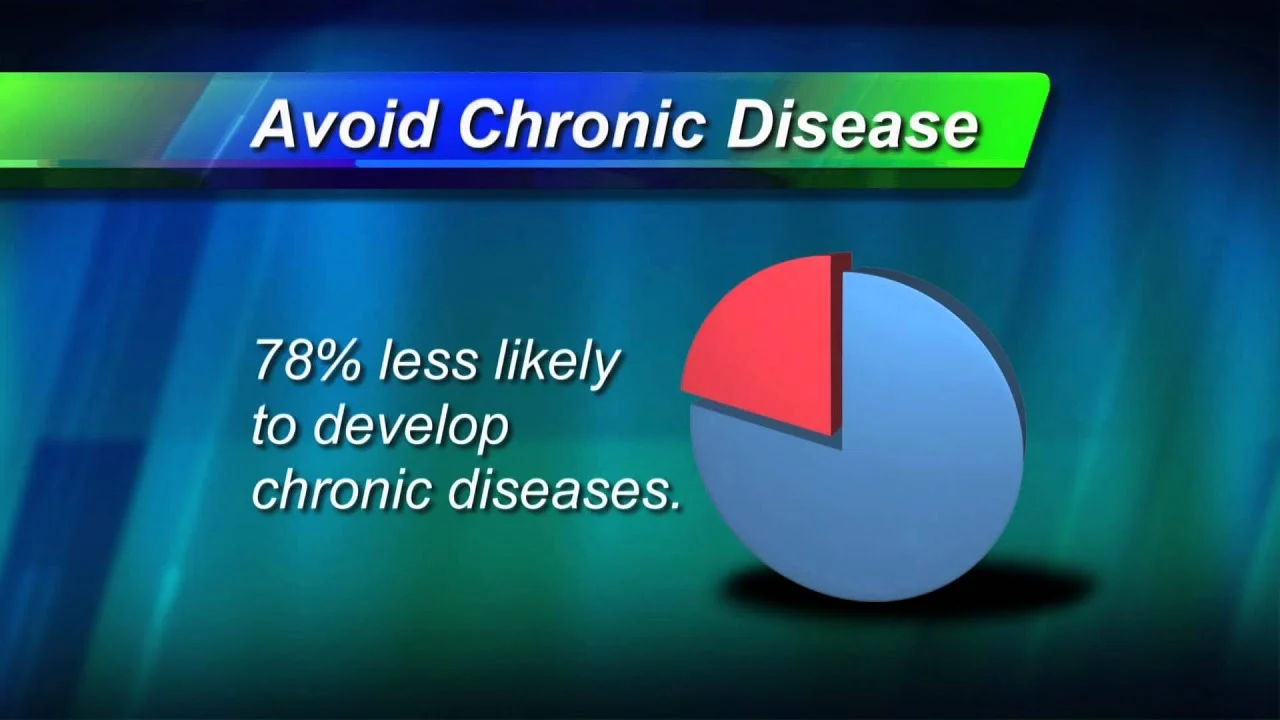
A short video from the American Dental Association.

Periodontal Disease and Osteoporosis
Periodontal disease is characterized by a progressive loss of supportive gingival tissue in the gums and jawbone.Gum Disease and Respiratory Disease
Periodontal disease (also called periodontitis and gum disease) has been linked to respiratory disease through recent research studies.Periodontal Disease and Pregnancy
Periodontal disease in expectant mothers carries risks for the unborn child, particularly if the mother also has diabetes.Perinatal and Infant Oral Health
Good oral health during pregnancy matters for your baby too. Gum disease is linked with premature birth, low birth weight and preeclampsia.Bruxism
Bruxism refers to an oral parafunctional activity that occurs in most humans at some point in their lives.What is Periodontal (Gum) Disease?
Periodontal disease is a common inflammatory condition of the gums that, in its most advanced stages, affects the jawbone itself.

New patients welcome
Emergency calls and appointments are available and welcome, especially for new patients seeking help.