

Diagnosis
Patient educationDiagnosis
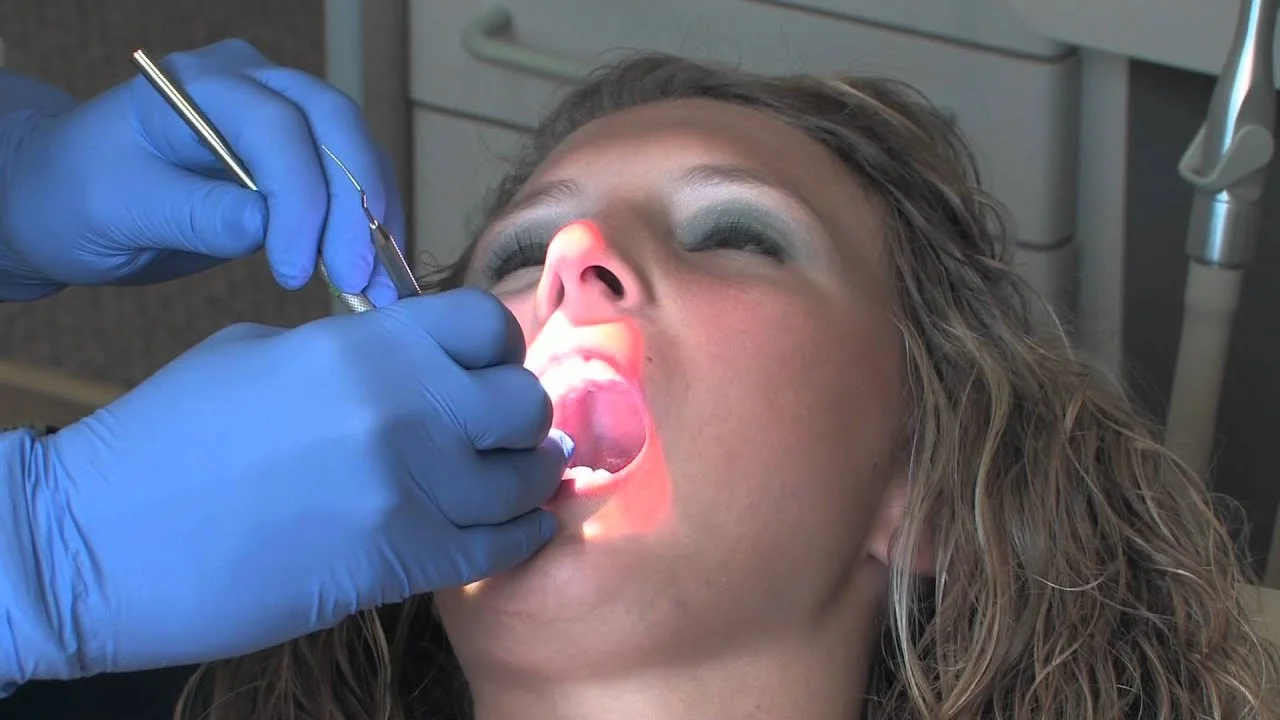
Periodontal disease is diagnosed by your dentist or dental hygienist during a periodontal examination, which should always be part of your regular dental check-up.
How it’s diagnosed
A periodontal probe, a small dental instrument, gently measures the sulcus (pocket) between the tooth and the gums. A healthy sulcus is three millimeters or less and does not bleed; as periodontal disease progresses, the pockets usually get deeper. Pocket depths, bleeding, inflammation and tooth mobility together place the diagnosis in one of the stages below.
The stages
- GingivitisThe first stage of periodontal disease. Plaque and its toxins irritate the gums, making them tender, inflamed and likely to bleed.
- PeriodontitisPlaque hardens into calculus (tartar), the gums recede, and deeper pockets fill with bacteria and pus. The gums bleed easily, and slight to moderate bone loss may be present.
- Advanced periodontitisThe gums, bone and periodontal ligament continue to be destroyed. Untreated, the teeth become very loose and may be lost; moderate to severe bone loss may be present.
Periodontal Screening
A short video from the American Dental Association.
Treatment
Periodontal treatment depends on the type and severity of the disease. Your dentist and hygienist will recommend the right treatment.Periodontal Treatment
Periodontal treatment methods depend upon the type and severity of the disease.Periodontal Maintenance
It only takes twenty four hours for plaque that is not removed from your teeth to turn into calculus (tartar)!What is a Periodontist?
A periodontist is a dentist who specializes in the soft tissues of the mouth and the underlying jawbone which supports the teeth.When to See a Periodontist
A periodontist specializes in preventing, diagnosing and treating gum and jawbone disease. Here's when a referral makes sense.The Mouth–Body Connection
Gum disease is linked with diabetes, heart disease, pregnancy complications and respiratory disease. Healthy gums lower the risk.

New patients welcome
Emergency calls and appointments are available and welcome, especially for new patients seeking help.