


How Often Should Children Have Dental Checkups?
Patient educationHow Often Should Children Have Dental Checkups?
The American Academy of Pediatric Dentists (AAPD) advises twice-yearly dental visits for children, starting about six months after the first tooth emerges. These visits let the dentist monitor development, track changes in the teeth and gums, and keep advising parents on good oral care.
What checkups are for
Children who are especially prone to decay or show early signs of orthodontic problems may need extra visits. Each checkup serves several purposes:
- A dental homeIf a dental emergency arises, your child is treated somewhere familiar and comfortable.
- Ongoing recordsTracking dental health and jaw development over time helps the dentist anticipate problems and step in early.
- EducationThe dentist may suggest sealants, fluoride supplements or xylitol, or changes such as less sugar, removing an oral piercing, or moving from sippy cups to regular glasses.
- Finding hidden cavitiesDental X-rays, used only when cavities or orthodontic problems are suspected, are often the only way to spot tiny cavities in baby teeth before they grow into decay and childhood periodontal disease.

Are checkups necessary if my child has healthy teeth?
Yes. A child’s teeth can change quickly; new diet or habits such as thumb sucking can leave them vulnerable to decay or misalignment within six months. Each visit includes a thorough cleaning to remove plaque and debris from hard-to-reach places, adding to good home care.
The dentist also monitors fluoride levels and often applies a topical fluoride gel or varnish after the cleaning to remineralize teeth and protect enamel from acid. Some children get take-home fluoride supplements, especially where the water isn’t fluoridated. Sealants, a liquid plastic brushed onto the molars, may be applied to seal out debris, bacteria and acid. If you have questions about scheduling your child’s checkups, please contact our office.
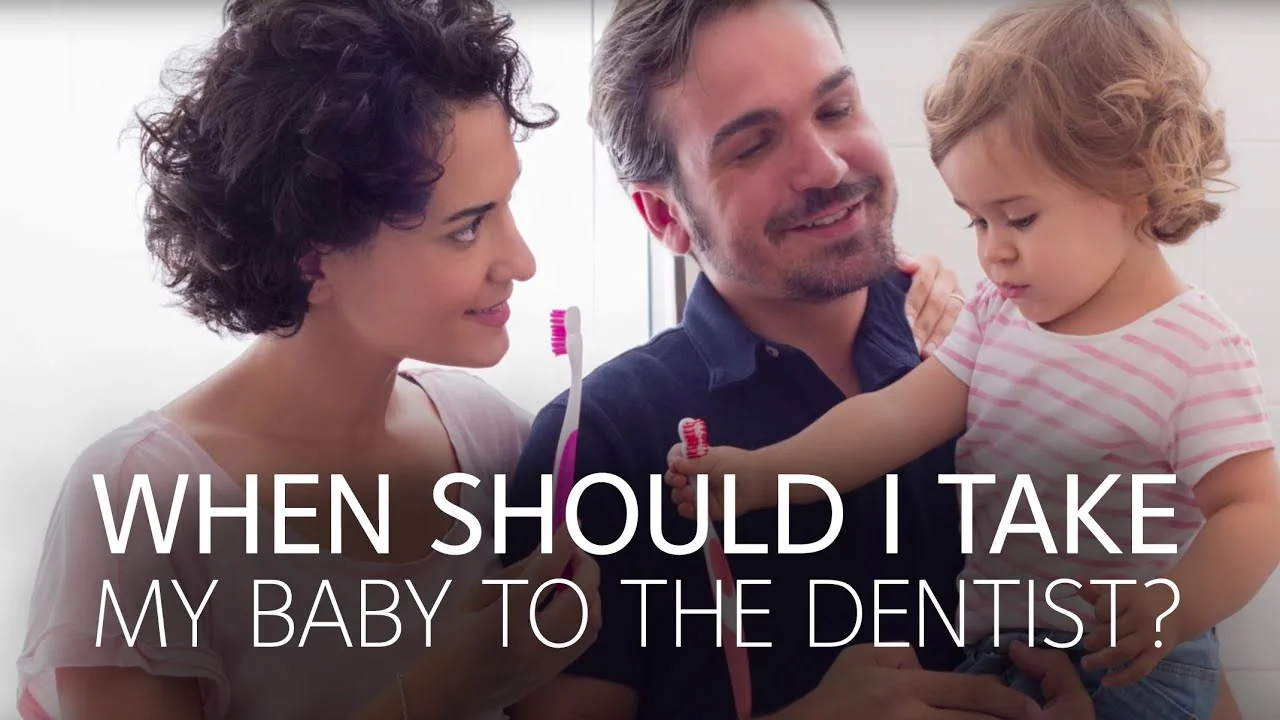
When Should I Take My Baby to the Dentist?
A short video from the American Dental Association.
Pacifiers and Thumb Sucking
For most infants, the sucking of thumbs and pacifiers is a happy, everyday part of life.Sealants
A sealant is a thin, plastic coating applied to the chewing surface of molars, premolars and any deep grooves (called pits and fissures) of teeth.Sealing Out Tooth Decay
Tooth decay has become increasingly prevalent in preschoolers.Pediatric Dentistry
Our emphasis is on total preventive care of your entire family.Child's First Visit
A child's first dental visit is recommended around their first birthday. Here's how to prepare and keep it positive.Why See a Pediatric Dentist?
Pediatric dentists (or pedodontists) are qualified to meet the dental needs of infants, toddlers, school-age children, and adolescents.

New patients welcome
Emergency calls and appointments are available and welcome, especially for new patients seeking help.