

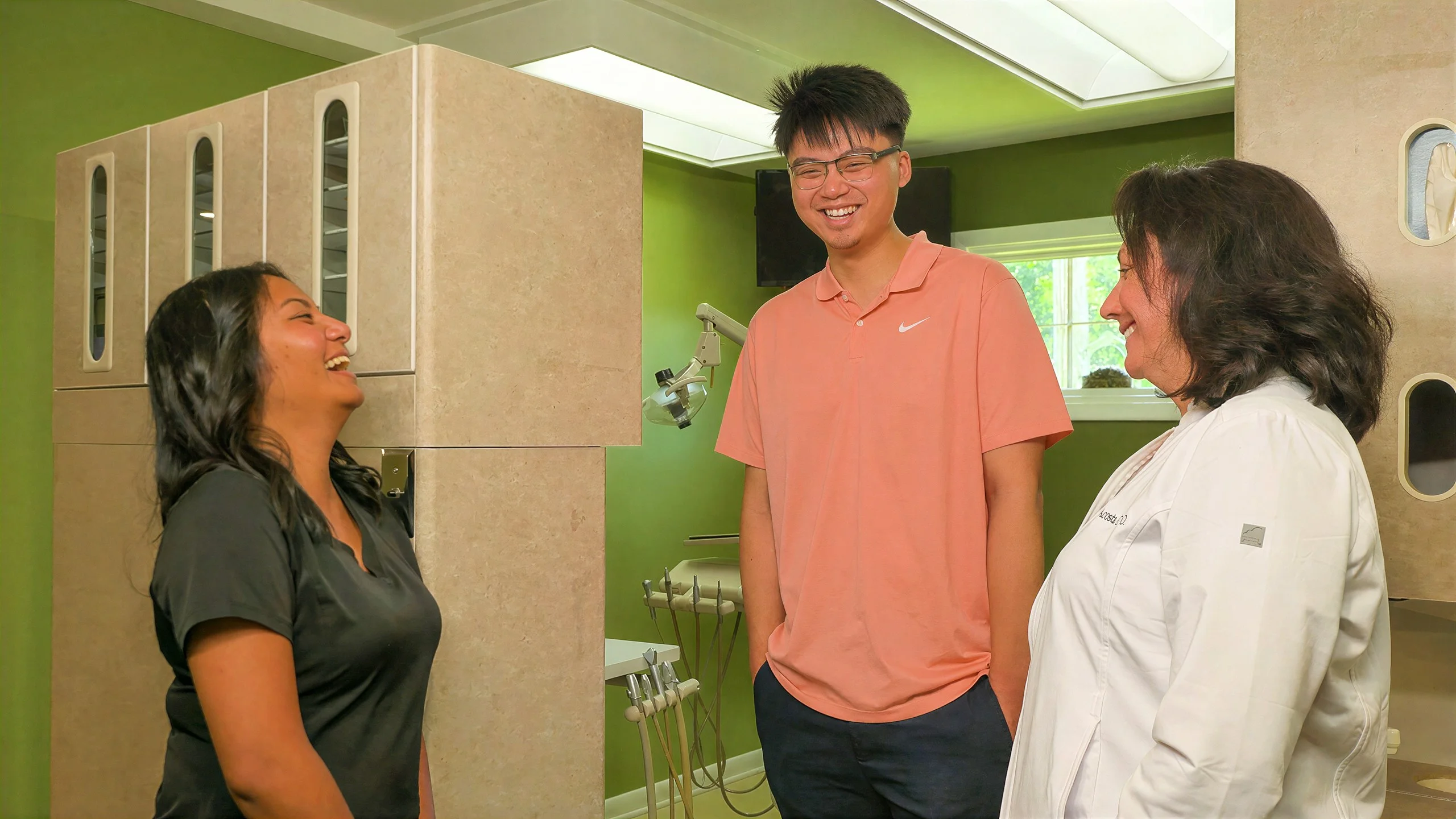
Prosthodontics
Patient educationProsthodontics
Prosthodontics is the specialized field of dentistry concerned with diagnosing, planning and carrying out restorative and cosmetic treatments. Prosthodontists complete three or four more years of training after dental school.
What a prosthodontist does
A prosthodontist is in essence an architect who draws up a comprehensive treatment plan and explains what is possible. Missing or defective teeth can hurt self-esteem, and using the latest technology a prosthodontist can fill those gaps with functional, natural-looking teeth.
Common reasons to see a prosthodontist include:
- Partial or full sets of dentures
- Whitening the teeth or improving the smile
- Filling gaps left by missing teeth
- Interest in dental implants
Prosthodontic treatments
Treatments are designed to be functional, long-lasting and attractive, and can only be done on generally healthy teeth, so problems like gum disease must be controlled first.
- Dental implantsTitanium roots placed in the jawbone like natural roots, replacing teeth that look and feel natural.
- Dental veneersPorcelain or ceramic veneers bonded to the teeth to fix uneven, stained, chipped or worn teeth.
- Dental crownsPorcelain, metal or combination crowns that mimic the natural tooth surface and can last up to a decade or longer.
- Dental bridgesConventional and cantilever bridges that support a prosthetic tooth, anchored by healthy natural teeth or dental implants.
- Complete denturesFor people with no teeth due to gum disease or trauma; they make chewing and speaking easier.
- Partial denturesRemovable or fixed options where many teeth are lost, improving both the smile and chewing.

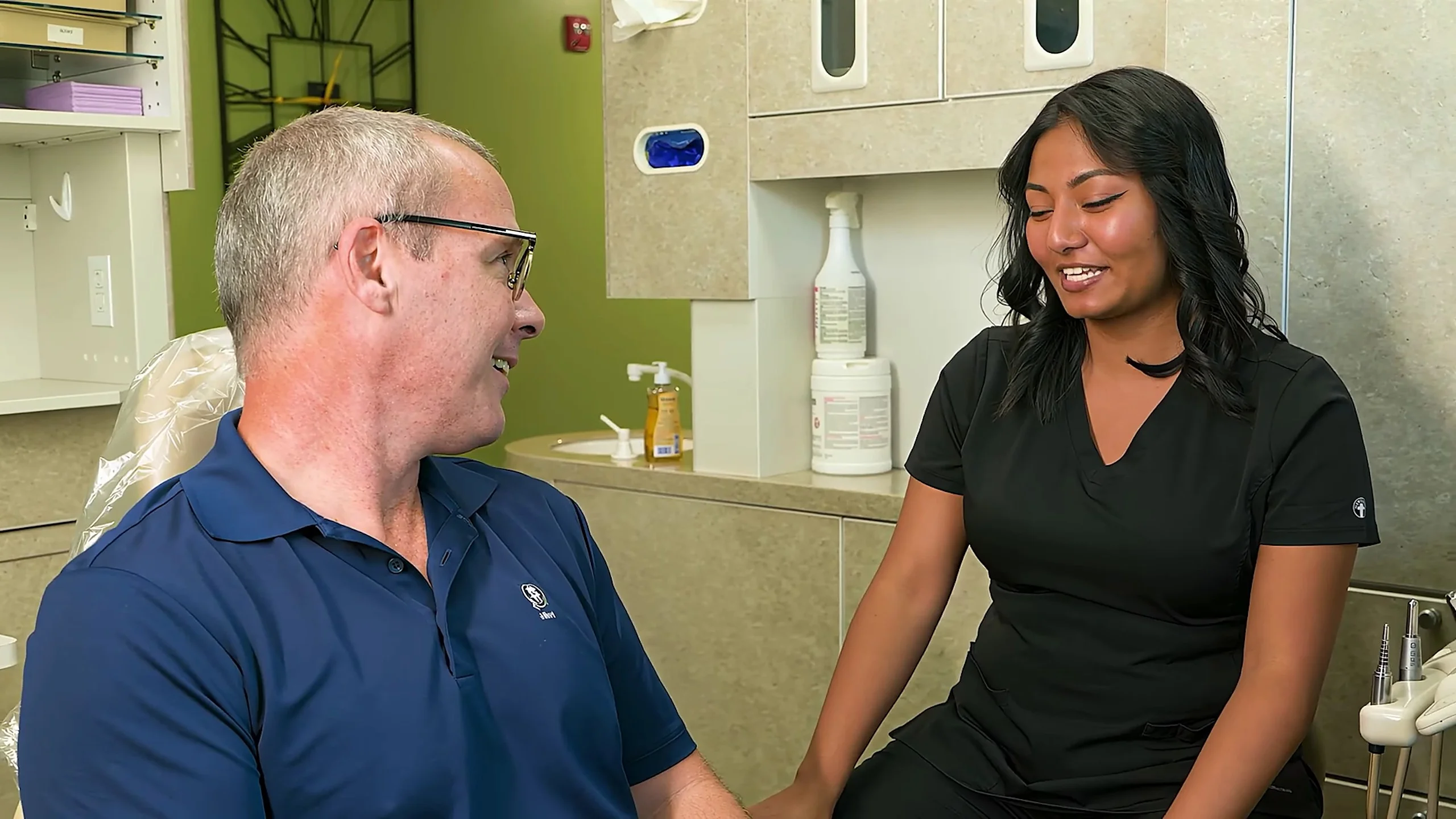
Other problems a prosthodontist treats
A prosthodontist also treats jaw problems (TMJ), severe snoring and sleep apnea, and reconstructs teeth after oral cancer treatment, usually working with other dental professionals for the best results. If you have questions about prosthodontics, please contact our office.
What is Prosthodontics?
A short video from the American Dental Association.

Procedures
From a complete exam and cleaning to a full-mouth restoration: the procedures we regularly provide, all in one place.Porcelain Crowns (Caps)
A crown (or cap) is a covering that encases the entire tooth surface restoring it to its original shape and size.Porcelain Fixed Bridges
A dental bridge is a fixed, non-removable way to replace missing teeth. Learn the types of bridges and how one is made.Fixed Bridges
A dental bridge is a fixed (non-removable) appliance and is an excellent way to replace missing teeth.Inlay Restorations
An inlay is a custom-made filling of composite, gold or tooth-colored porcelain, made by a dental lab and cemented into the tooth.Onlay Restorations
An onlay restoration is a custom made filling made of composite material, gold, or tooth-colored porcelain.
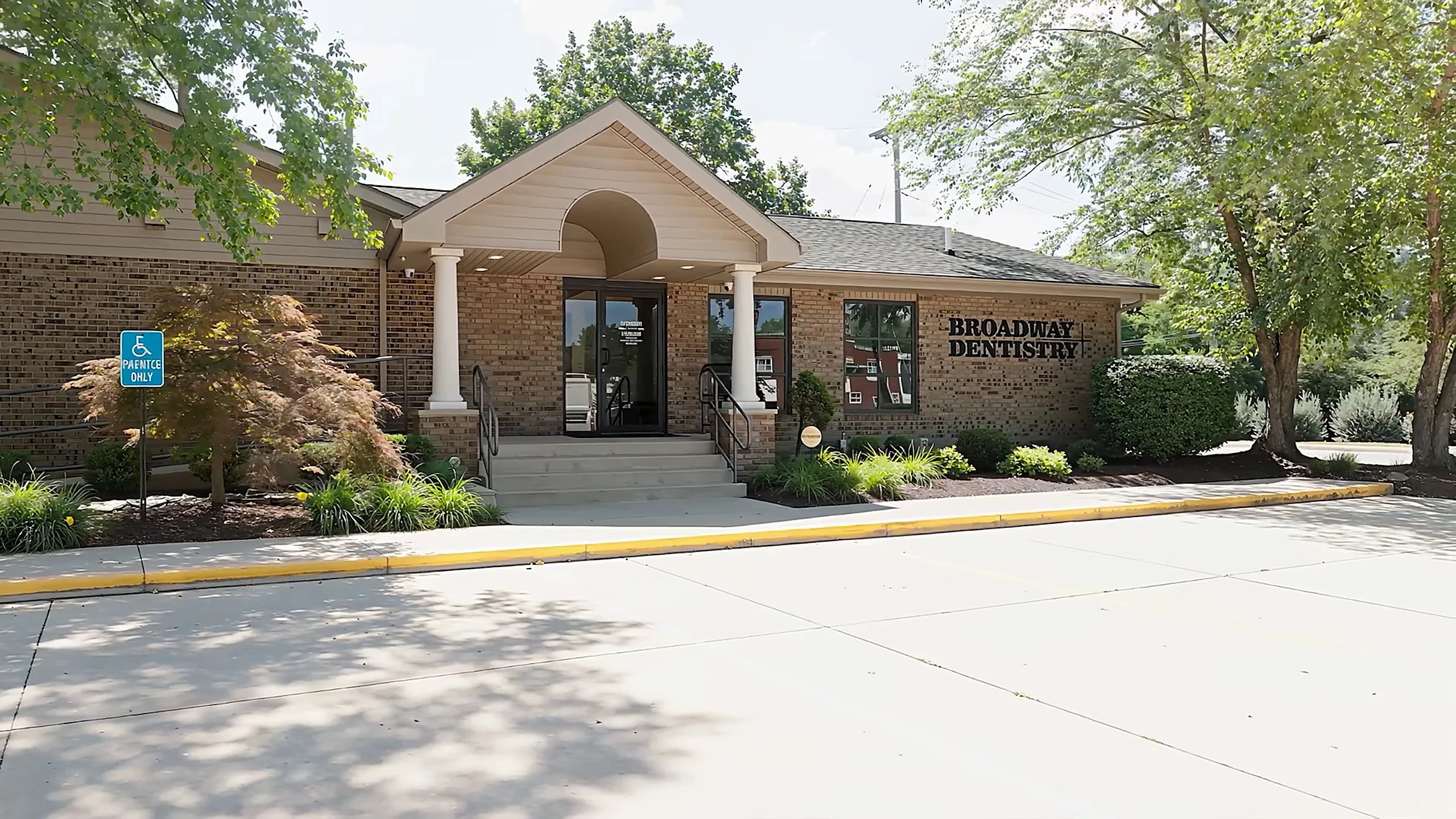
New patients welcome
Emergency calls and appointments are available and welcome, especially for new patients seeking help.