

Cracked Tooth
Patient educationCracked Tooth
Cracked and fractured teeth are common, and more so as people keep their natural teeth longer thanks to advances in dental technology. Biting hard objects, trauma, and grinding and clenching of teeth all strain the teeth and make them more likely to crack.
Why a cracked tooth hurts
A crack may cause no discomfort until you bite: the crack widens, exposing the pulp and causing sharp pain, then closes again as the pressure is released. Left untreated, the pulp becomes irreversibly damaged and constantly painful, and infection can spread to the surrounding bone and soft tissue.
Symptoms of a cracked tooth may include:
- Unexplained pain when eating
- Sensitivity to warm and cold foods
- Pain with no obvious cause
- Pain that is hard to pinpoint
Types of cracks
The type of crack determines the treatment. If it is not too deep, root canal therapy can save the natural tooth; if the tooth is too badly damaged, it needs extraction. The most common types:
- CrazesTiny vertical surface cracks that most dentists consider normal. They rarely need treatment for health reasons, but cosmetic treatments can improve their appearance.
- Oblique supragingival cracksAffect only the crown, above the gum line. The affected part usually breaks off, with little pain because the pulp is unaffected.
- Oblique subgingival cracksExtend below the gum line, often past where the jawbone begins; a broken piece usually stays attached until the dentist removes it. Painful, and may need periodontal surgery to expose the crown plus endodontic treatment to place a crown or other restoration.
- Vertical furcation cracksThe roots separate, almost always affecting the nerve. The tooth rarely separates completely, so root canal therapy and a crown can usually save it.
- Oblique root cracksNot visible on the surface; the damage lies below the gum line, usually below the jawbone. Root canal therapy may be possible if the fracture is near the surface, but extraction is almost always the only option.
- Vertical apical root cracksOccur at the tip of the root. Extraction is not required dentally, but many patients request it because of the pain; root canal therapy brings temporary relief, but these teeth are usually extracted eventually.
How cracked teeth are treated
Some cracks show only on X-ray, while others are clearly visible. When the root is affected, root canal therapy is usually best: the pulp, nerves and vessels are removed, the space is filled with gutta-percha, and a crown or filling stabilizes the tooth so it works normally.
If the tooth cannot be saved, the dentist will extract it and can replace it with bridges, dental implants or partial dentures, all of which restore biting, chewing and speaking. If you have questions about cracked teeth, please contact our office.
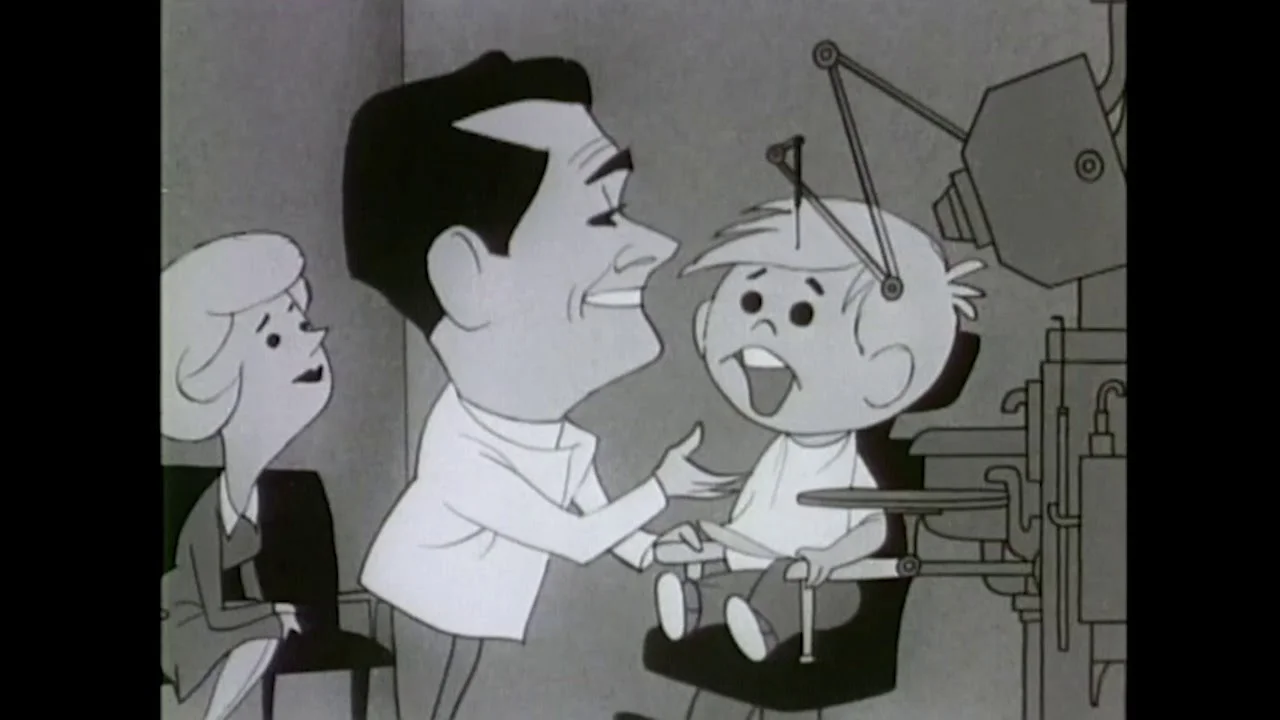
Throwback Toothday: Can a Broken Tooth Be Fixed?
A short video from the American Dental Association.
Prosthodontics
Prosthodontics is the specialized field of dentistry concerned with diagnosing, planning and executing restorative and cosmetic treatments.Procedures
From a complete exam and cleaning to a full-mouth restoration: the procedures we regularly provide, all in one place.Porcelain Crowns (Caps)
A crown (or cap) is a covering that encases the entire tooth surface restoring it to its original shape and size.Porcelain Fixed Bridges
A dental bridge is a fixed, non-removable way to replace missing teeth. Learn the types of bridges and how one is made.Fixed Bridges
A dental bridge is a fixed (non-removable) appliance and is an excellent way to replace missing teeth.Inlay Restorations
An inlay is a custom-made filling of composite, gold or tooth-colored porcelain, made by a dental lab and cemented into the tooth.
New patients welcome
Emergency calls and appointments are available and welcome, especially for new patients seeking help.