

Oral Pathology
Patient educationOral Pathology
The dentist routinely examines your mouth at your first comprehensive exam and at regular check-ups. An oral cancer exam identifies and manages diseases of the mouth, jaw and face.
Changes to watch for
The inside of the mouth is lined with mucosa, a special skin that should be smooth and pink. A change in its color or texture, on the face, neck, gums, tongue or lips, may signal disease. The most serious is oral cancer, which may or may not be painful, but there are many other common problems.
- Geographic tongueAlso called benign migratory glossitis or erythema migrans. Missing papillae (small bumps) leave red, map-like patches on or around the sides of the tongue that come and go over hours to months and can increase sensitivity to some substances.
- Median palatal cystA developmental, fluid-filled sac, usually in the middle of the palate, that may cause substantial discomfort.
- Hairy tongueA bacterial overgrowth or yeast infection that makes the tongue look hairy and black, usually from poor oral hygiene, long-term antibiotics or head and neck radiation; also seen in people with HIV and intravenous drug users. It may or may not need treatment.
Treatment
Most changes in the mouth are uncomfortable or disfiguring but not life-threatening. Oral cancer, any cancer of the tongue, jaw and lower cheek, is on the rise (especially among men), and survival is around 80% with an immediate diagnosis. Only a biopsy can confirm a diagnosis, so getting changes checked as soon as you notice them can be a life-and-death decision. Less serious problems may be treated with:
- AntibioticsFor a bacterial infection or persistent soreness, to return the mucosa to normal and ease discomfort.
- Diluted hydrogen peroxideA prescribed mouthwash when poor hygiene is affecting the soft tissue; it kills more bacteria than regular mouthwash and improves bad breath.
- Oral surgeryRemoving cysts or non-cancerous growths, which can improve comfort, breathing and speech depending on where they are.

Oral examinations
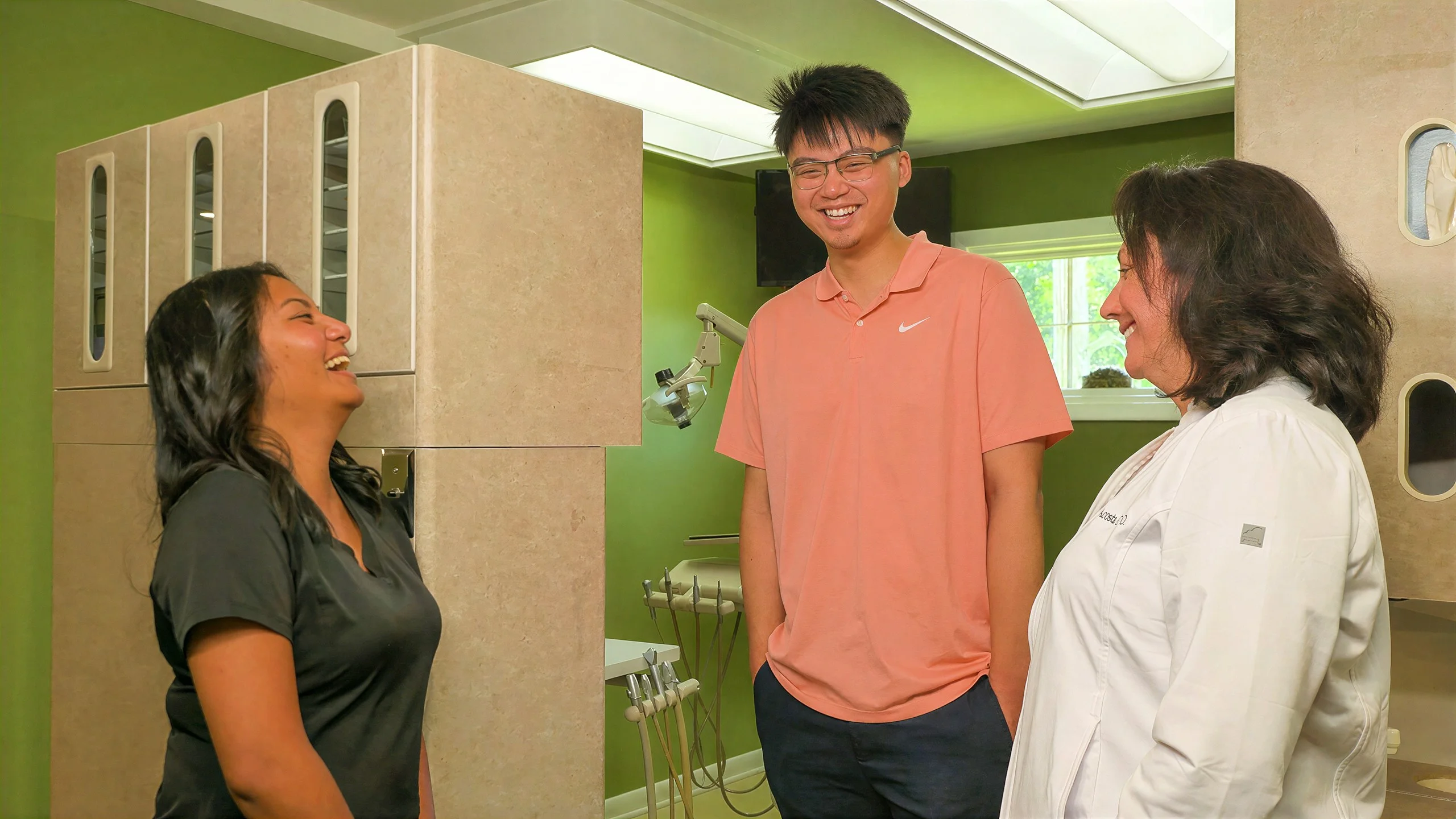
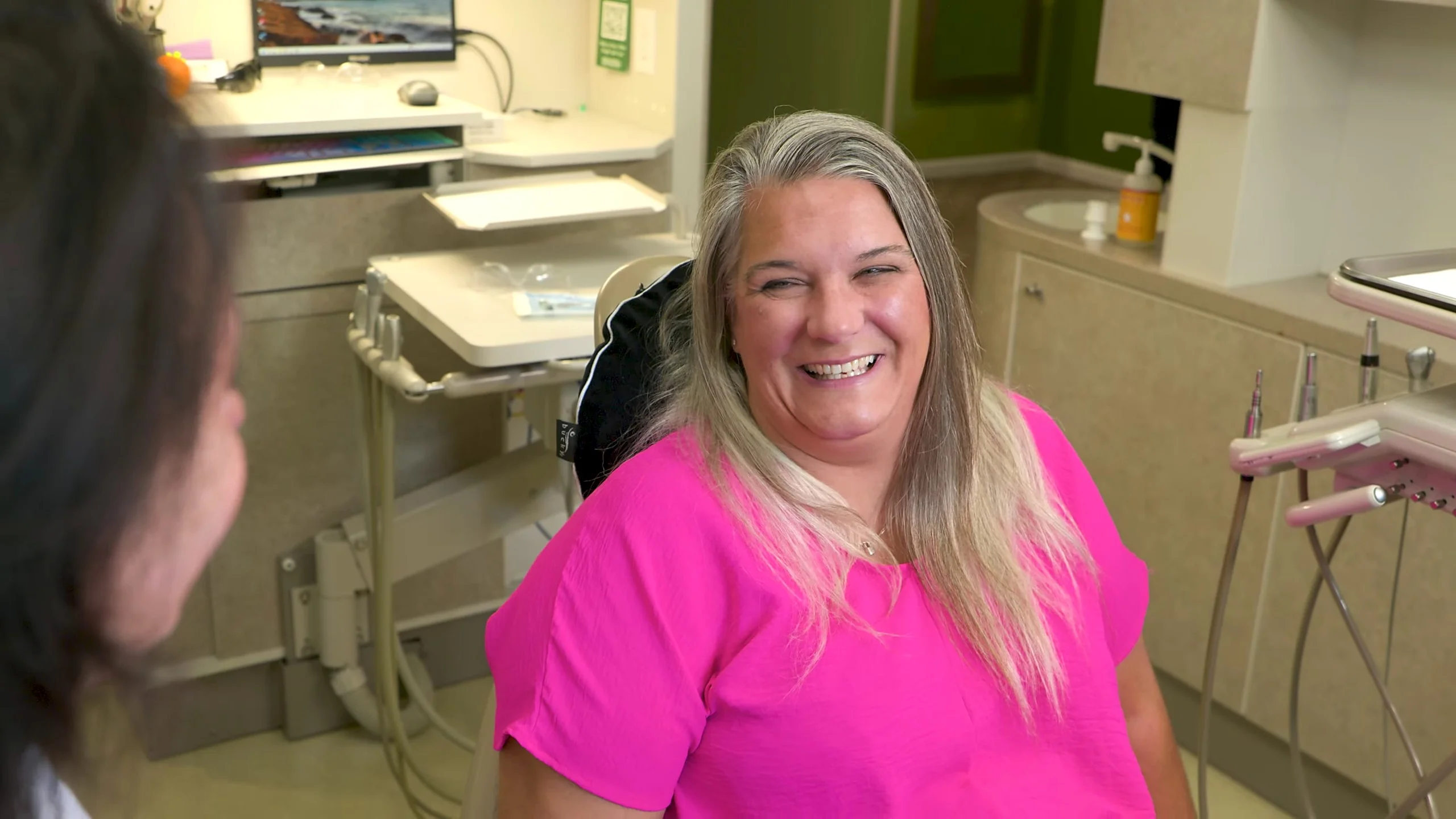
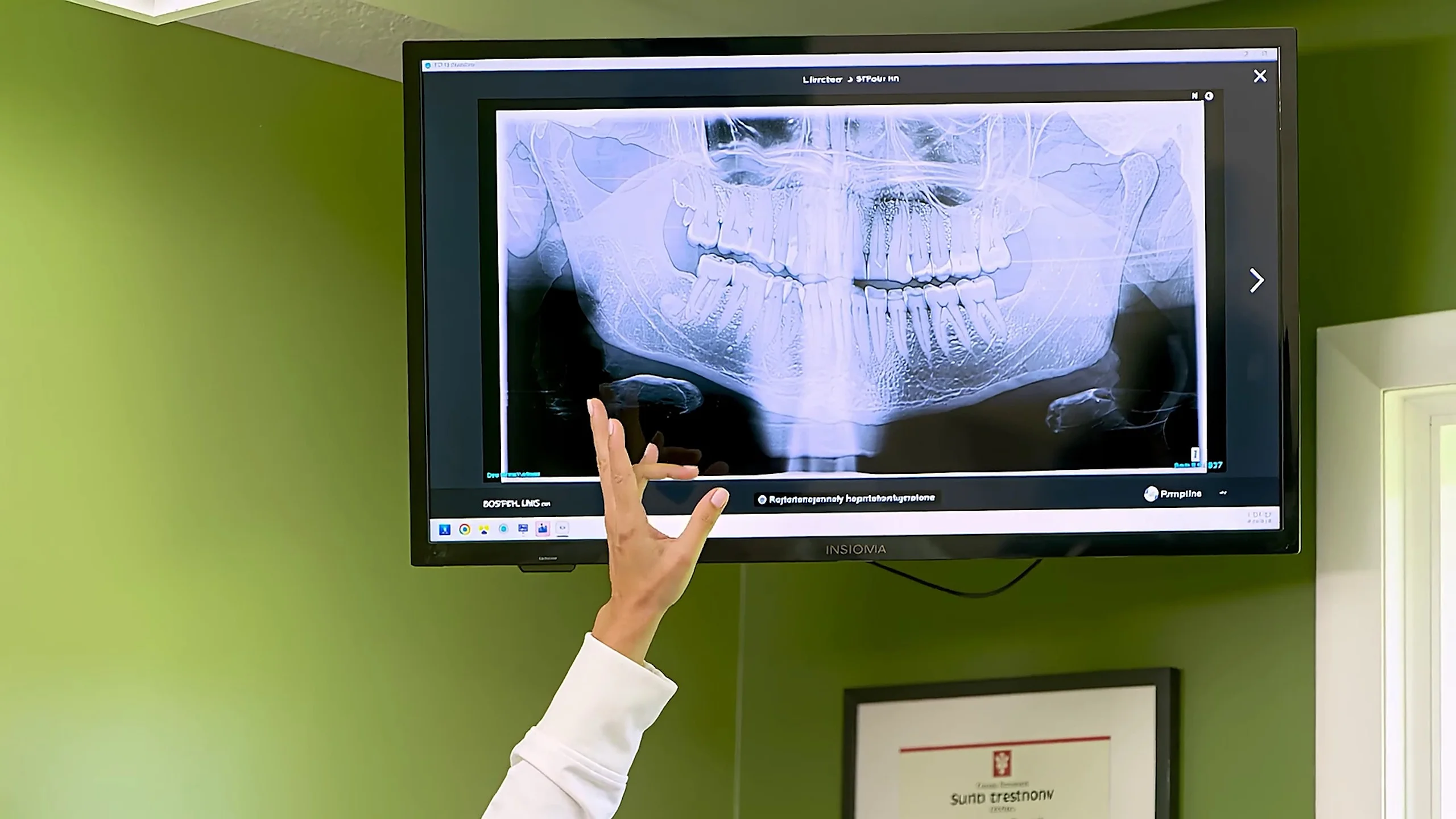
At a regular check-up the dentist thoroughly inspects the soft tissue of your mouth. If there are cell changes, a biopsy is sent to a laboratory, and once results are back the dentist decides on the best treatment.
Oral cancer screenings
If you are experiencing any pain or symptoms that cause you concern, we encourage you to Contact Us today to schedule an appointment.
Meet Ryan: Oral Pathology and Reconstructive Surgery
A short video from the American Association of Oral and Maxillofacial Surgeons.

Dental Emergencies
Dental emergencies are quite frightening and often painful.Oral & Maxillofacial Surgery
Oral and maxillofacial surgeons diagnose and treat conditions and injuries of the head and neck. Here's what they do and when you might need one.After Tooth Extractions
There are a number of reasons that your dentist might recommend a tooth extraction.Antibiotic Treatment
Periodontal disease is a progressive condition that leads to severe inflammation and tooth loss if left untreated.Surgical Instructions
Pre- and post-operative instructions to help you prepare for dental surgery and recover safely and comfortably.

New patients welcome
Emergency calls and appointments are available and welcome, especially for new patients seeking help.